12 Living Room Furniture Arrangement Ideas That Maximize Space

Living Room Furniture Arrangement
A well-arranged living room can completely change how your home looks and feels. Even if you have beautiful furniture, the wrong layout can make the space feel crowded, awkward, or difficult to use. The secret isn’t always buying new pieces. Sometimes, simply changing the position of your sofa, moving an armchair, or creating a clearer walking path can make your living room feel much more comfortable.
When planning a furniture arrangement, I always think about how people actually use the room. Is it mainly for watching television, entertaining guests, relaxing with family, or enjoying a quiet afternoon with a book?
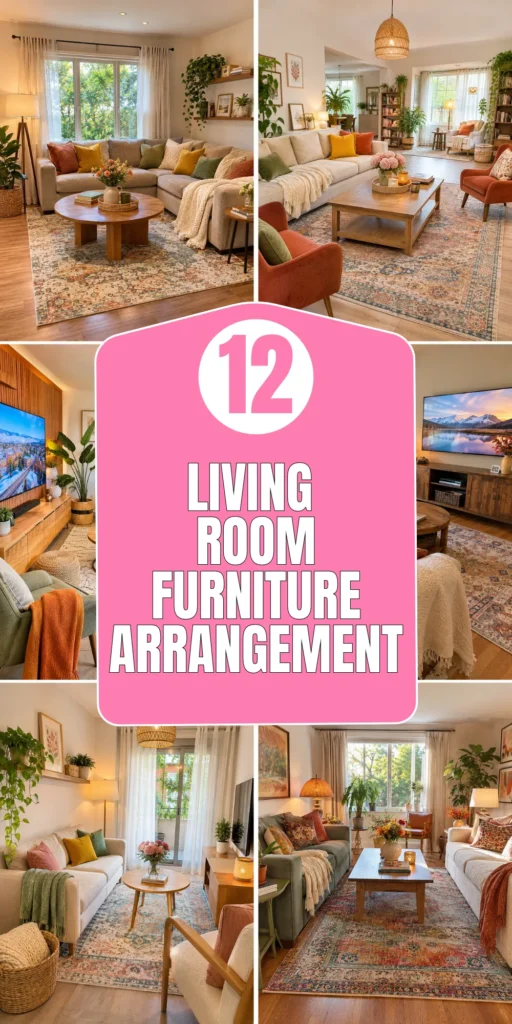
A good layout should support everyday activities while making the room feel balanced and welcoming.
Whether you’re decorating a small apartment or a spacious family home, these 12 living room furniture arrangement ideas offer practical ways to make better use of your space. Each layout focuses on comfort, functionality, and thoughtful styling, so you can create a room that looks beautiful without sacrificing everyday convenience.
1. Classic Sofa-Facing-TV Arrangement
Description
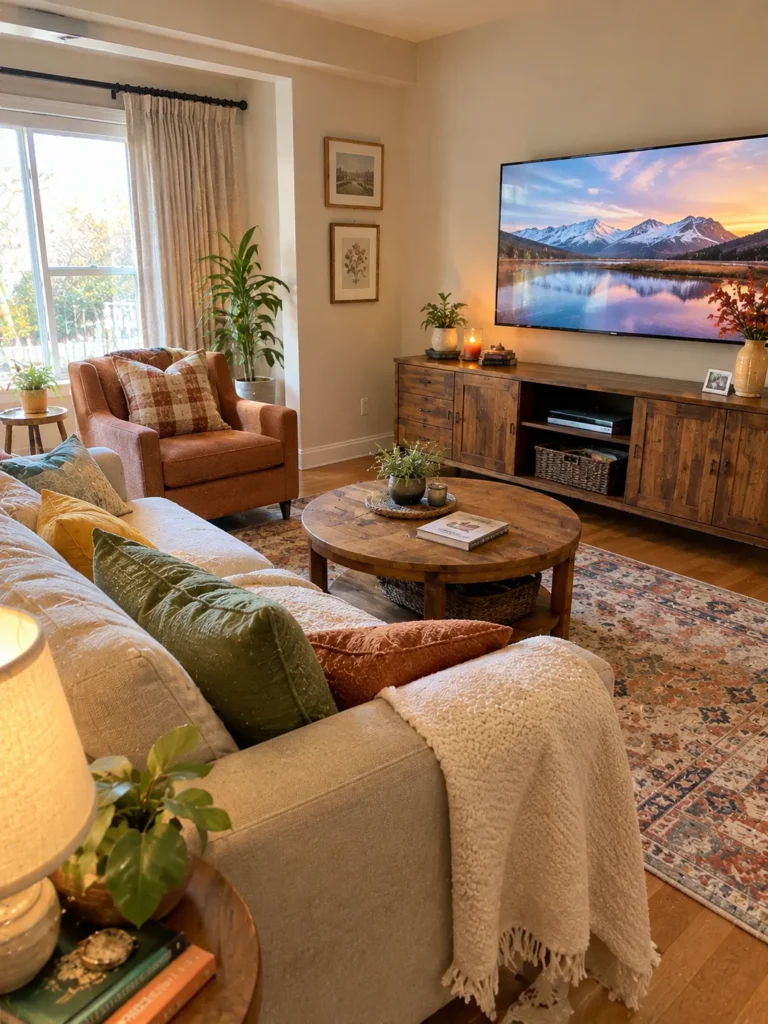
Create a comfortable entertainment-focused living room by positioning your main sofa directly opposite the television. This familiar layout works especially well in rectangular rooms where watching movies and relaxing together are everyday activities.
What You’ll Need
- Main sofa
- Television and media console
- Coffee table
- One or two accent chairs
- Area rug
- Side table
Quick How-To
Start by choosing the best wall for your television, considering windows, glare, and available electrical outlets. Position the sofa opposite it, leaving enough distance for comfortable viewing. Add a coffee table within easy reach, ideally with around 14–18 inches between the table and sofa. Place accent chairs beside the sofa, slightly angled toward the center. Make sure there is enough space to walk behind or beside the seating area without squeezing between furniture.
Styling Tip
Use a large area rug to visually connect the sofa, chairs, and coffee table. The front legs of the main seating pieces should ideally sit on the rug, making the arrangement feel like one intentional living area.
2. L-Shaped Sofa Arrangement for Open Spaces
Description
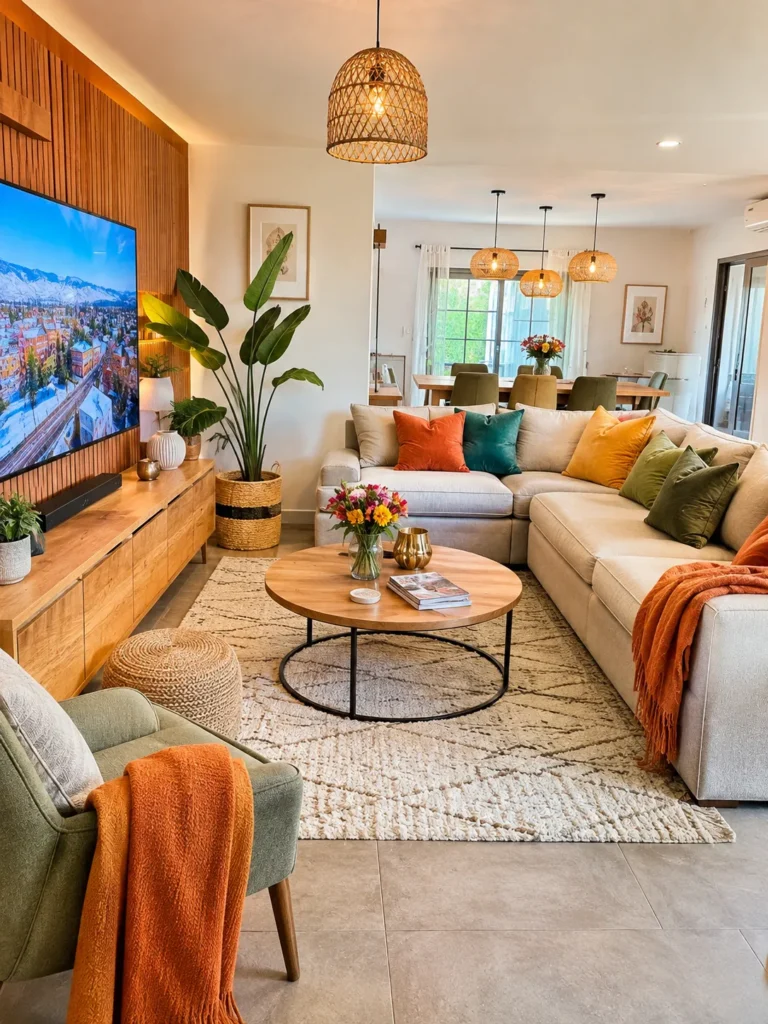
An L-shaped sofa is a smart choice for open-plan living rooms because it creates a natural seating zone without requiring walls or bulky dividers. Its corner shape helps organize a large space while keeping the layout relaxed.
What You’ll Need
- L-shaped sectional sofa
- Large area rug
- Round or rectangular coffee table
- Floor lamp
- Media console
- Optional accent chair
Quick How-To
Position the longer section of the sofa toward the main focal point, such as a television, fireplace, or large window. Let the shorter section extend into the room to define the seating area. Keep the back of the sectional aligned with the edge of the living zone if it separates the space from a dining area. Add a coffee table in the center and leave enough room to move around the sectional comfortably.
Styling Tip
A round coffee table works particularly well with an L-shaped sofa because its curved edges soften the strong angles of the furniture. Choose a table that is easy to reach from both sections.
3. Conversation-Focused Arrangement with Facing Sofas
Description
Create a welcoming space for conversations by placing two sofas opposite each other. This symmetrical layout encourages guests to interact naturally and works beautifully in larger living rooms or homes where entertaining is important.
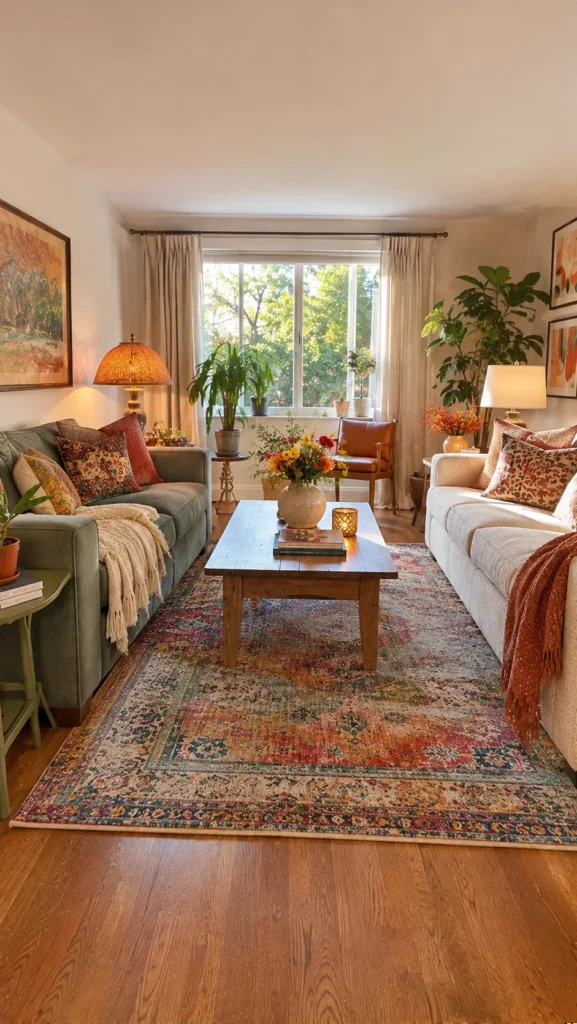
What You’ll Need
- Two sofas of similar or complementary sizes
- Central coffee table
- Large area rug
- Two side tables
- Table lamps
- Optional accent chairs
Quick How-To
Place the sofas facing each other with a comfortable gap between them. Center the coffee table so everyone can reach it without leaning too far forward. Add matching or coordinating side tables at the outer ends of the sofas. If the room is especially large, place an accent chair at one end to complete the conversation area. Keep a clear path along at least one side of the seating arrangement.
Styling Tip
The sofas don’t have to match exactly. A neutral sofa paired with a subtly patterned or differently colored sofa can create a more collected, personal look while maintaining visual balance.
4. Floating Sofa Arrangement in the Middle of the Room
Description
Instead of pushing every piece of furniture against the walls, float your sofa in the center of the room. This arrangement makes larger living rooms feel more organized and creates a defined seating area with a natural flow around it.
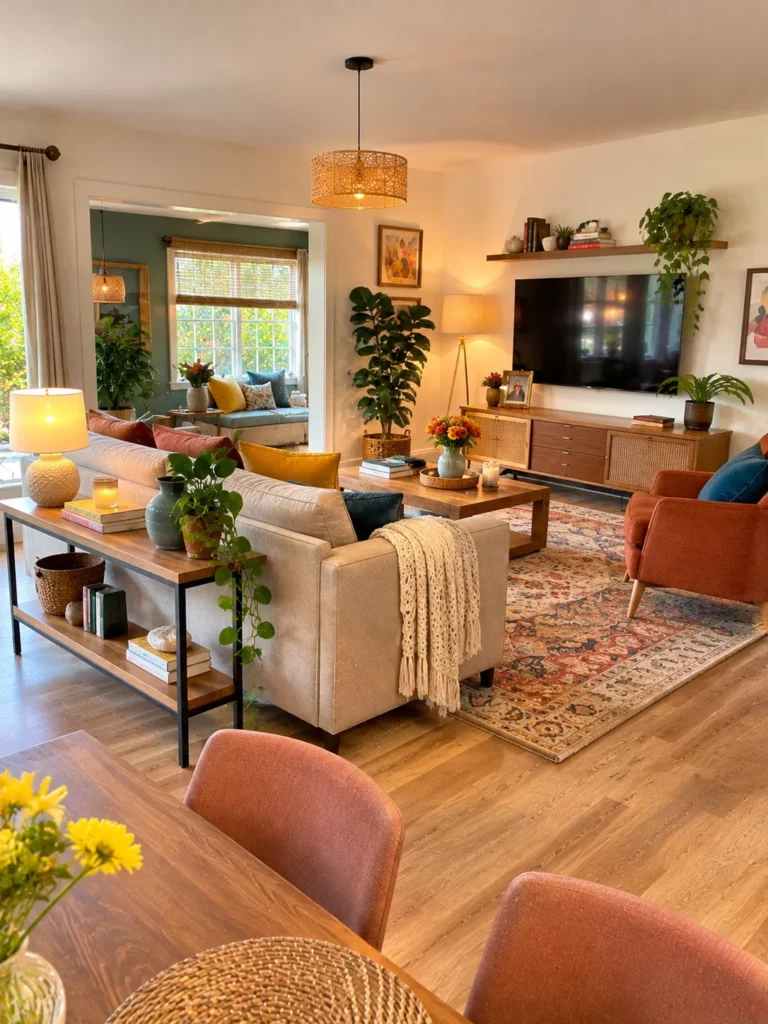
What You’ll Need
- Main sofa
- Console table
- Coffee table
- Area rug
- Accent chairs
- Floor or table lamps
Quick How-To
Choose the main focal point and position the sofa facing it, leaving space behind the sofa for movement. Place a narrow console table along the back if the sofa is visible from another part of the room. Add a coffee table and chairs to complete the seating zone. Measure the walking paths before finalizing the layout, especially if the room connects directly to a hallway or dining area.
Styling Tip
A slim console table behind the sofa is useful for displaying lamps, books, and small decorative objects. It also gives the back of the sofa a finished appearance rather than leaving it looking exposed.
5. Small Living Room Arrangement with a Compact Loveseat
Description
Make a small living room feel more spacious by choosing a compact loveseat instead of an oversized sofa. Pair it with lightweight occasional chairs and carefully sized furniture to preserve valuable floor space.
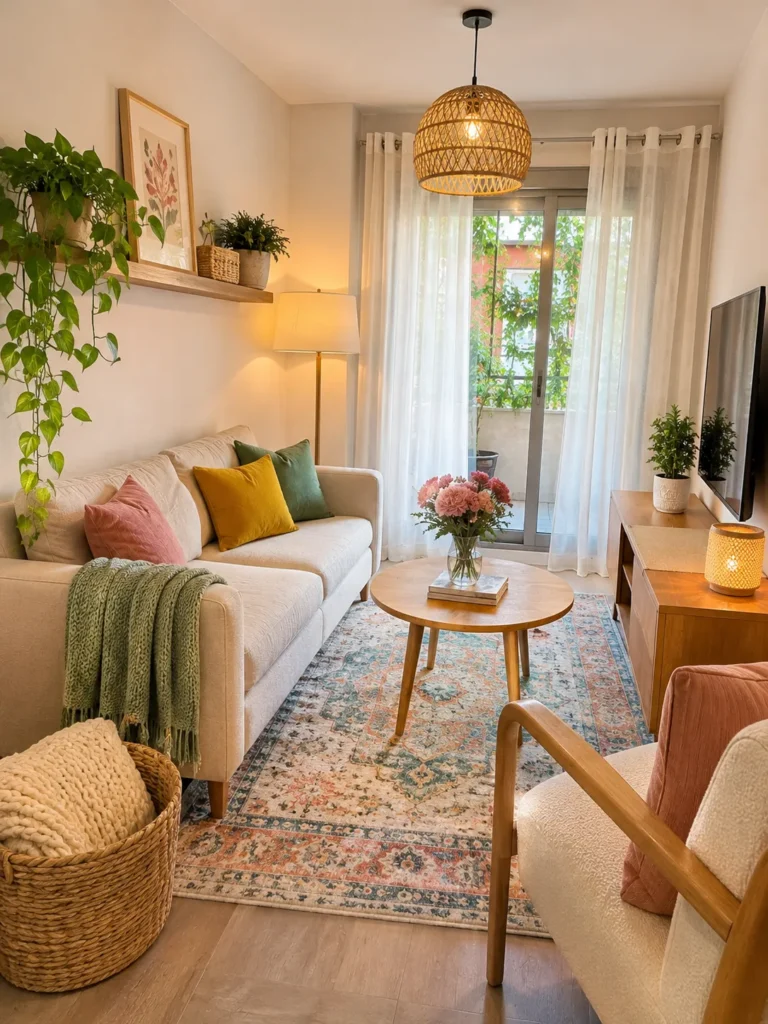
What You’ll Need
- Compact two-seat loveseat
- Small coffee table or nesting tables
- One lightweight accent chair
- Wall-mounted shelves
- Slim media console
- Medium-sized area rug
Quick How-To
Place the loveseat against the longest suitable wall, keeping windows and doorways accessible. Use a small round coffee table or nesting tables rather than a bulky rectangular design. Position one accent chair opposite the loveseat, preferably with an open frame or visible legs. Choose a slim media console and use vertical wall storage to reduce the need for extra cabinets. Keep the main walking route open.
Styling Tip
Furniture with exposed legs can make a compact room feel less crowded because more of the floor remains visible. Avoid filling every empty corner with a table or decorative basket.
6. Fireplace-Focused Symmetrical Arrangement
Description
Make a fireplace the star of your living room by arranging the seating around it. A balanced layout with matching chairs or side tables creates a comfortable gathering place while highlighting the architectural feature.
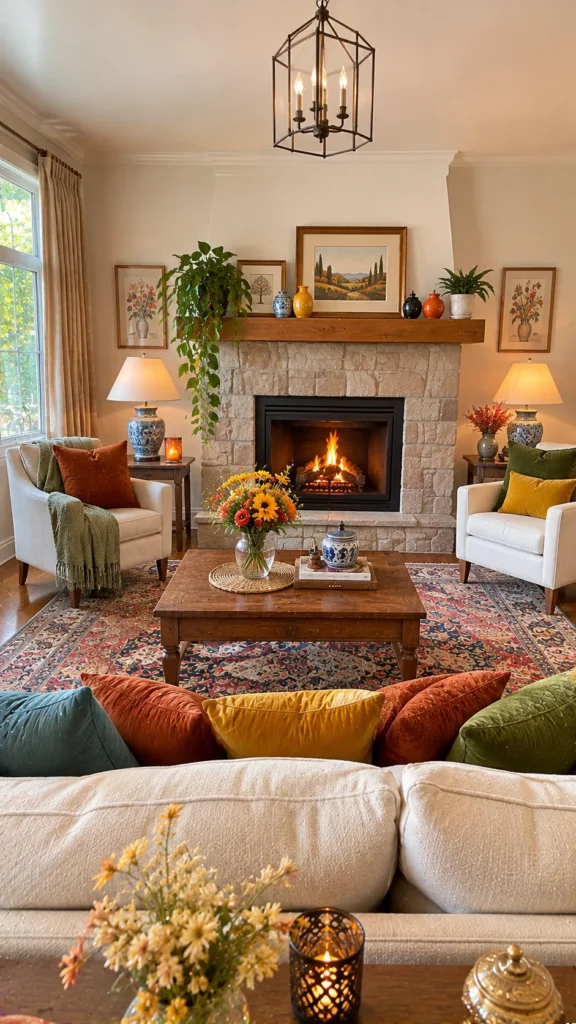
What You’ll Need
- Main sofa
- Two accent chairs
- Coffee table
- Fireplace
- Area rug
- Matching or coordinating side tables
Quick How-To
Position the sofa facing the fireplace, leaving a safe distance from the hearth according to the fireplace manufacturer’s guidance. Place two accent chairs on either side, angled slightly toward the sofa. Center the coffee table within the seating arrangement and add a rug to define the space. If a television is also present, consider placing it above the fireplace only when the height and viewing angle are comfortable.
Styling Tip
Matching chairs create a classic symmetrical look, but they don’t need to be identical. Choose two chairs with similar proportions and different upholstery details for a softer, more relaxed result.
7. Window-Facing Seating Arrangement
Description
Take advantage of beautiful natural light by arranging your seating around a large window. This layout is ideal for living rooms with garden views, attractive outdoor scenery, or bright windows that make the space feel more open.
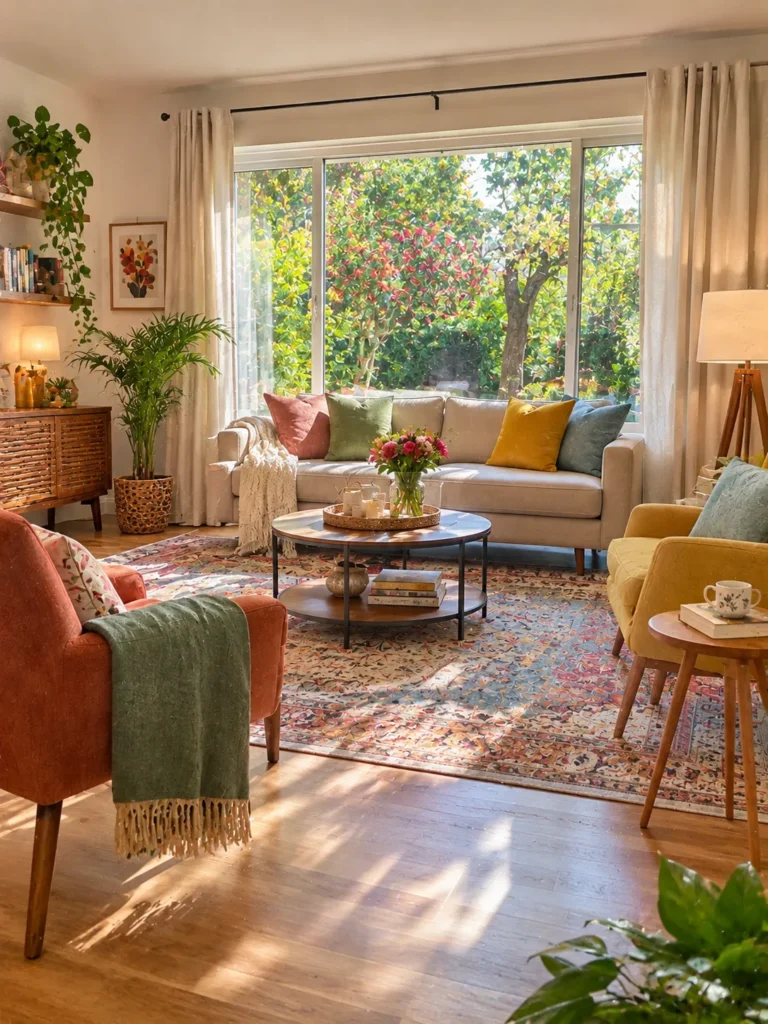
What You’ll Need
- Sofa or loveseat
- One or two accent chairs
- Small coffee table
- Side table
- Area rug
- Lightweight window treatments
Quick How-To
Position the sofa so people can enjoy the window view without blocking the natural light. Place one or two chairs nearby to create a relaxed conversation area. Avoid placing tall furniture directly in front of the window. If the room also needs a television, position it on an adjacent wall to reduce glare and preserve the view. Keep curtains easy to open and close.
Styling Tip
Use low-profile furniture near the window. A low sofa or open-frame chair allows more daylight to travel through the room and keeps the view visually connected to the interior.
8. Two-Zone Living Room Arrangement for Large Spaces
Description
Divide a spacious living room into two useful areas instead of filling the entire room with one oversized seating arrangement. A main conversation zone and a smaller reading or relaxation corner make the space feel more purposeful.
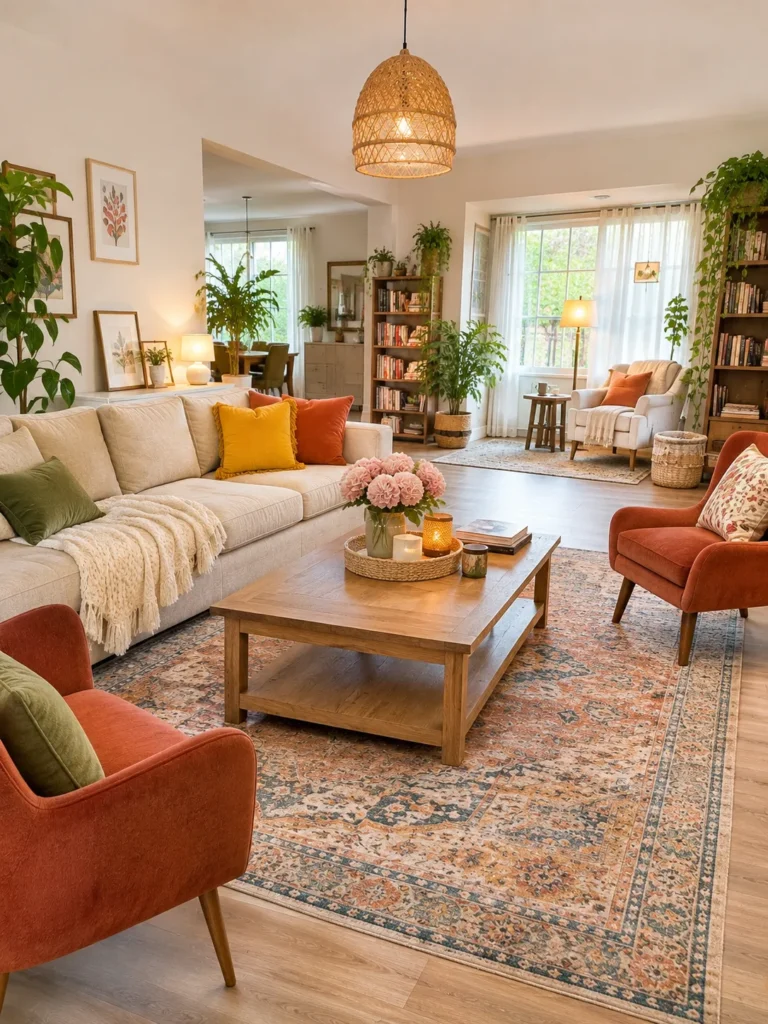
What You’ll Need
- Main sofa
- Two accent chairs
- Coffee table
- Small reading chair or loveseat
- Floor lamp
- Two area rugs or one large rug
Quick How-To
Begin by creating the main seating area around the television, fireplace, or another focal point. Then identify an unused corner or quieter section for a separate reading space. Add a comfortable chair, small side table, and floor lamp. Use furniture positioning and rugs to distinguish the two areas while preserving a clear route between them.
Styling Tip
Choose rugs with complementary colors or patterns rather than completely unrelated designs. This helps the two zones feel connected even though they serve different purposes.
9. Reading Nook and Sofa Combination
Description
Combine everyday seating with a dedicated reading nook to make your living room more versatile. This arrangement works especially well when you want a quiet place to relax without creating a separate room.
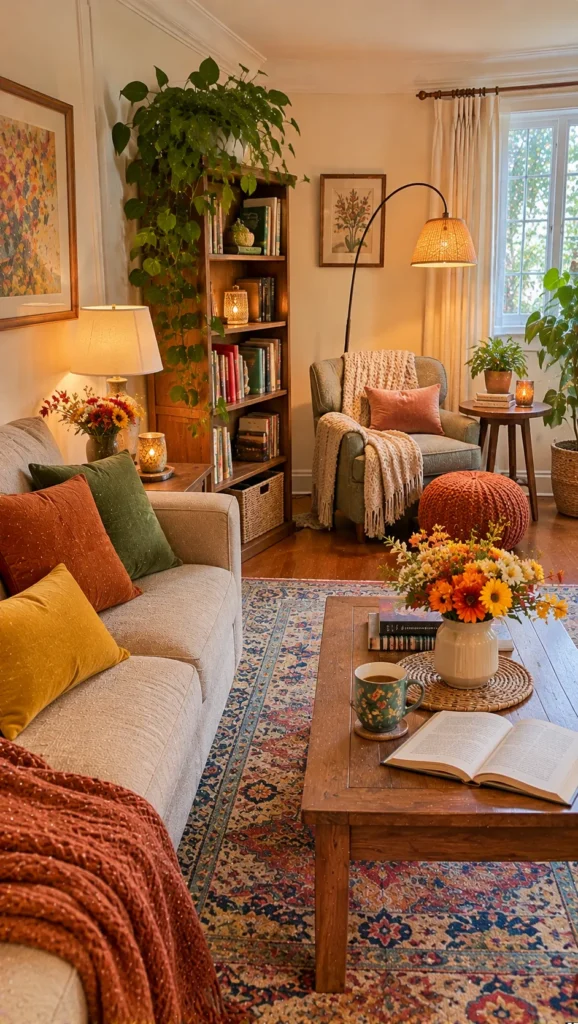
What You’ll Need
- Main sofa
- Comfortable reading chair
- Small side table
- Floor lamp
- Bookcase or floating shelves
- Soft throw and cushions
Quick How-To
Place the sofa in the main seating area, leaving one corner available for a reading chair. Angle the chair slightly toward the sofa or window rather than pushing it directly against the wall. Add a side table for books and a drink, along with a floor lamp positioned to provide useful reading light. Keep the bookcase nearby but avoid placing it where it blocks natural light or movement.
Styling Tip
A small footstool can make the reading chair much more comfortable without taking up as much space as a second armchair. Choose one that can also serve as extra seating when guests visit.
10. Corner Sofa Arrangement with a Round Coffee Table
Description
Use a corner sofa and round coffee table to create a softer, more inviting seating area. This combination is particularly useful in family living rooms where several people need comfortable places to sit and move around.
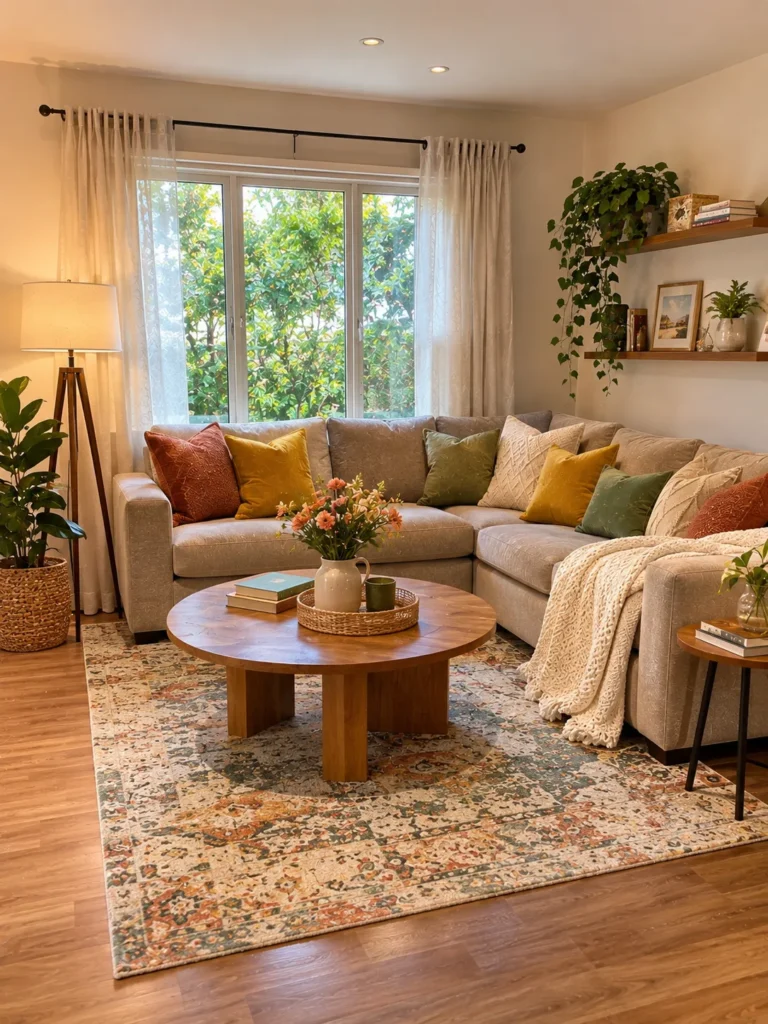
What You’ll Need
- Corner sectional sofa
- Round coffee table
- Area rug
- One small side table
- Floor lamp
- Optional movable ottoman
Quick How-To
Position the corner sofa against two suitable walls or slightly away from them, depending on the room’s shape. Place a round coffee table in the center, leaving enough clearance for people to walk and sit comfortably. Add a side table near the sofa’s outer arm and a floor lamp in an available corner. If extra seating is needed, choose a movable ottoman that can be tucked away when not in use.
Styling Tip
A round coffee table is especially practical in rooms with children because it has no sharp corners. Choose a sturdy design with a stable base and a finish that is easy to clean.
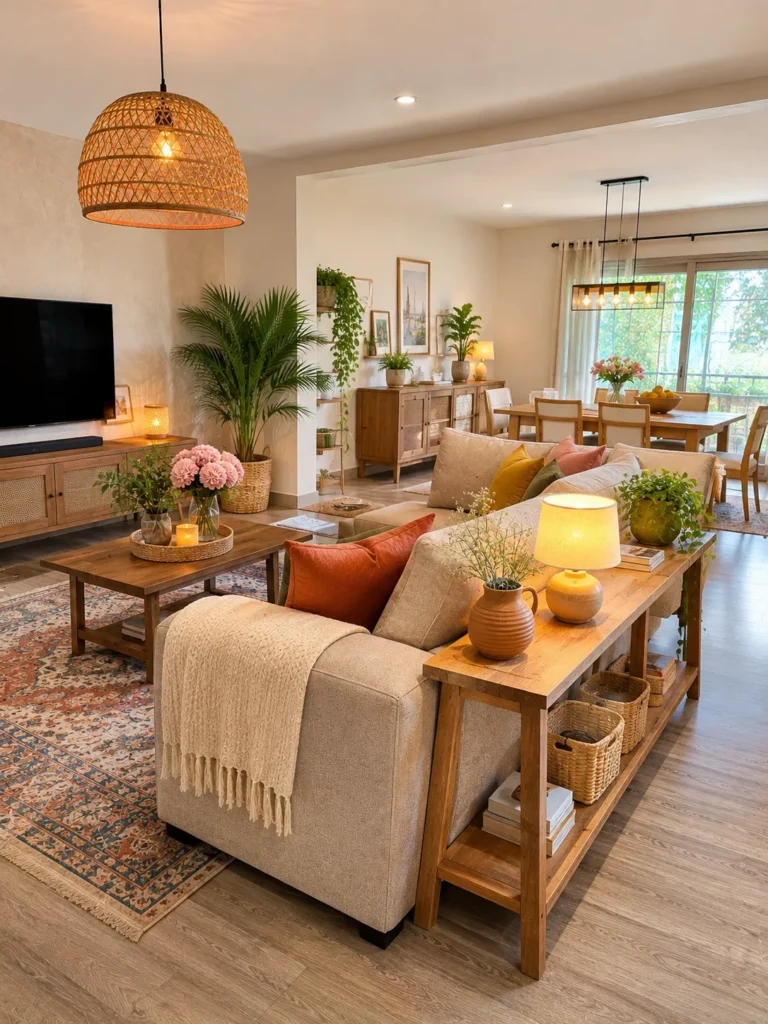
11. Open-Plan Living Room with a Sofa as a Room Divider
Description
Separate your living room from the dining or kitchen area by positioning the sofa with its back toward the adjoining space. This creates a natural boundary while keeping the overall layout open and connected.
What You’ll Need
- Main sofa
- Narrow console table
- Area rug
- Coffee table
- Dining furniture
- Optional open shelving unit
Quick How-To
Position the sofa between the living and dining areas, making sure it faces the living room’s focal point. Leave enough room behind it for people to walk between the seating and dining zones. Add a narrow console table behind the sofa to create a finished transition. Use a rug under the living room furniture to distinguish the seating area from the dining space.
Styling Tip
Keep the console table relatively low and narrow so it doesn’t create a visual barrier. A table lamp, a small plant, and a few books are usually enough to make the back of the sofa look intentional.
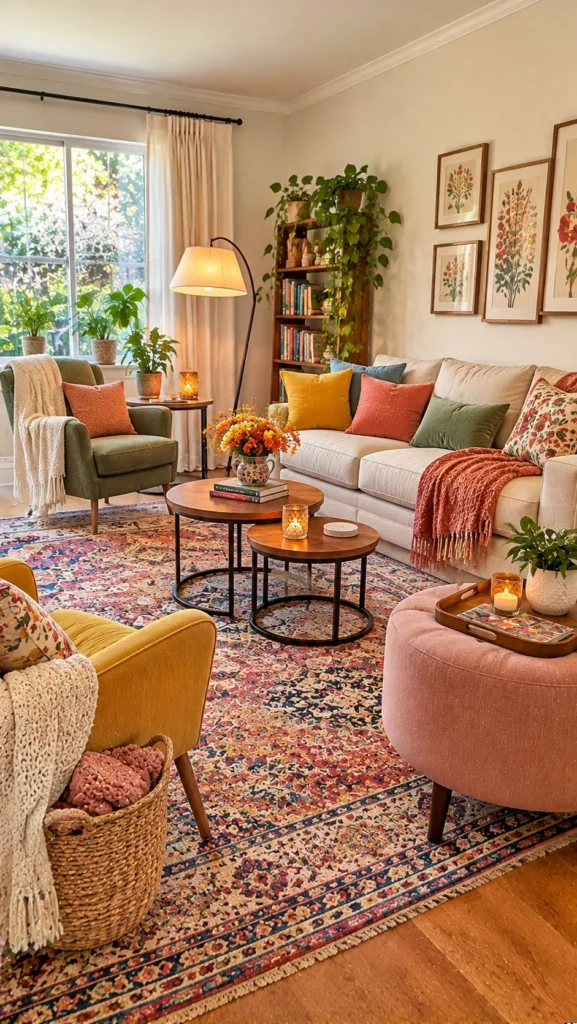
12. Flexible Living Room Arrangement with Movable Furniture
Description
Create a versatile living room using lightweight chairs, nesting tables, and movable ottomans. This flexible layout is ideal for households that regularly switch between quiet evenings, family activities, and entertaining guests.
What You’ll Need
- Main sofa
- Lightweight accent chairs
- Nesting coffee tables
- Movable ottoman
- Small side tables
- Area rug
Quick How-To
Start with the sofa as the main anchor and arrange the other pieces around it without making the layout too rigid. Use nesting tables that can be separated when guests need extra surfaces. Place an ottoman near the sofa so it can function as a footrest, extra seat, or occasional table with a suitable tray. Keep accent chairs light enough to move easily and maintain clear pathways throughout the room.
Styling Tip
Choose furniture that serves more than one purpose, especially if your living room is used for different activities. A storage ottoman, for example, can hide blankets and toys while providing additional seating.
FAQ SECTION
How should I arrange furniture in a living room?
Start by identifying the room’s main purpose and focal point. Position the largest seating piece first, then add chairs, tables, and storage around it. Always consider walking paths, natural light, and comfortable distances between furniture.
Should a sofa always be against the wall?
No. In larger living rooms, floating a sofa in the middle can create a more balanced layout and define separate zones. In smaller rooms, placing it against a wall may preserve useful floor space.
How much space should I leave between a sofa and coffee table?
Around 14–18 inches is a useful starting point for most living rooms. This provides enough room to move your legs while keeping the table within comfortable reach. Adjust the distance to suit the size of your furniture and household.
How do I arrange furniture in a narrow living room?
Place the main sofa along the longest suitable wall and choose slim furniture with exposed legs. Avoid oversized coffee tables and unnecessary accent pieces. Keep one clear walking route through the room.
How can I make a large living room feel cozy?
Create separate functional zones, such as a main conversation area and a reading corner. Use area rugs, lamps, appropriately sized furniture, and layered textiles to make the room feel connected and welcoming.
What is the best furniture layout for an open-plan living room?
Use the back of a sofa, an area rug, or an open shelving unit to define the living area. Keep the dining and kitchen routes clear so the different zones remain connected without feeling crowded.
How can I rearrange my living room without buying new furniture?
Try moving the sofa to a different wall, swapping chair positions, removing unnecessary side tables, or changing the direction of your coffee table. Even small adjustments can improve the room’s balance and flow.
RELATED CONTENT
- Home Gym Inspiration Small Spaces to Create Your Dream Workout Room
- Cozy Living Room Furniture Ideas
CLOSING
A beautiful living room doesn’t depend on having expensive furniture or a perfectly decorated home. What matters most is choosing an arrangement that makes everyday life easier while creating a space where everyone feels comfortable.
Before buying anything new, try moving the furniture you already own. Experiment with different sofa positions, test the walking paths, and see how each arrangement changes the way you use the room. Sometimes the smallest adjustment makes the biggest difference.
I hope these 12 living room furniture arrangement ideas have inspired you to look at your space in a new way. Choose a layout that suits your lifestyle, add your own personal touches, and enjoy creating a living room that feels just right. I’d love to hear which arrangement you try and how it transforms your space!