
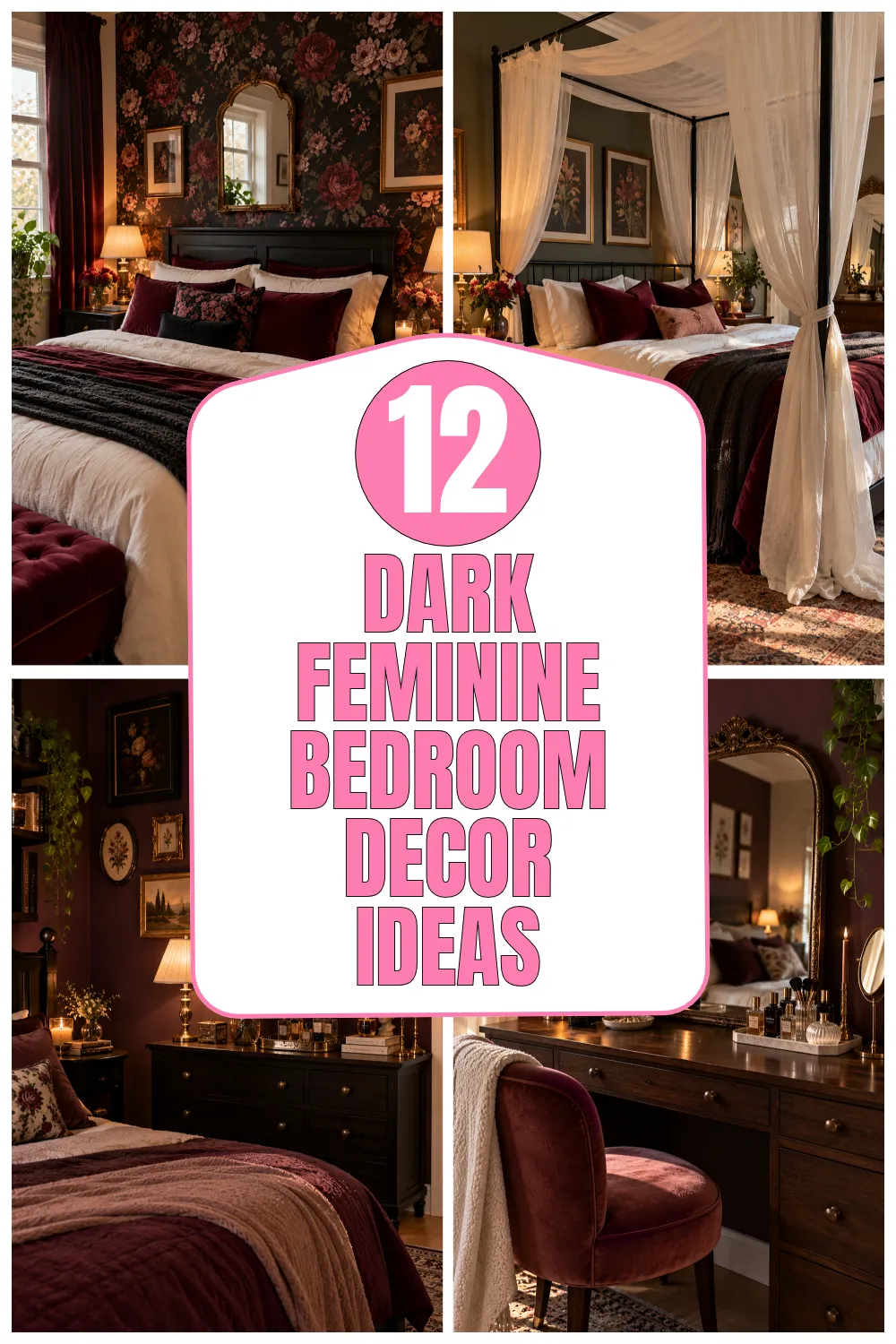
12 Burgundy Living Room Decor Ideas for a Cozy and Elegant Home

Burgundy Living Room Decor
Burgundy is a beautiful choice for a living room because it adds depth, warmth, and a sophisticated touch without making a space feel overly formal. This rich shade of red works surprisingly well with cream, beige, warm wood, soft pink, olive green, and even muted blue. The secret is choosing where to introduce burgundy and balancing its intensity with lighter colors, comfortable textures, and thoughtful lighting.

Whether you prefer a cozy modern living room, vintage-inspired interiors, or a bold statement space, these 12 burgundy living room decor ideas will help you create a room that feels inviting, personal, and beautifully put together.
1. Burgundy Velvet Sofa with Cream Accents
Description
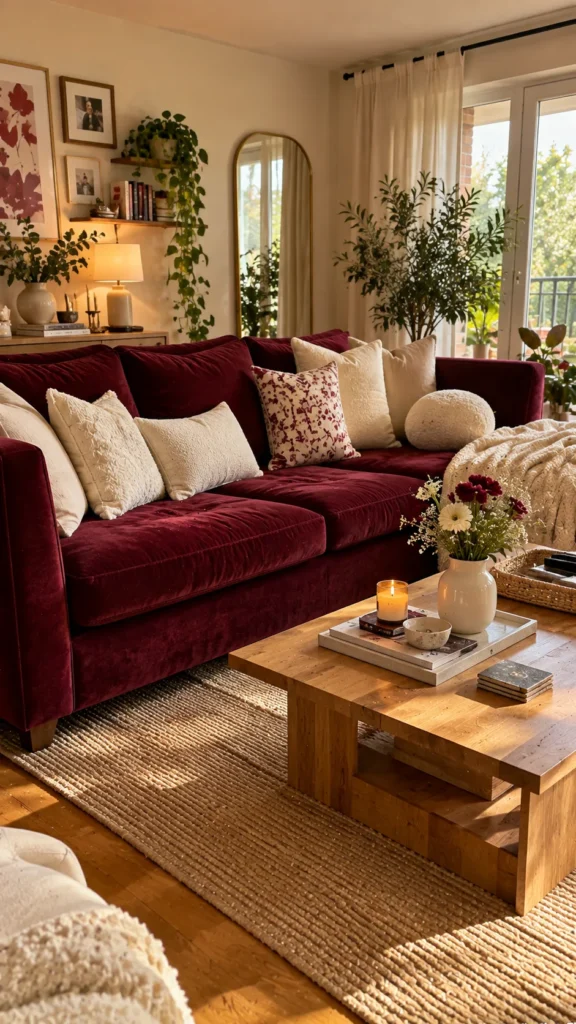
A burgundy velvet sofa creates a striking focal point while bringing softness and richness to the living room. Pairing it with cream cushions, pale walls, and a light rug keeps the deep color from overwhelming the space. This combination works especially well in modern, classic, and transitional interiors.
What You’ll Need
- Burgundy velvet sofa
- Cream or ivory cushions
- Light beige area rug
- Neutral throw blanket
- Warm wood or brass accessories
Quick How-To
Position the sofa against a light-colored wall or in the center of your seating area. Add two or three cream cushions in different textures, such as linen and boucle, rather than using identical covers. Place a pale rug underneath the front sofa legs to visually anchor the seating area. If you’re buying a velvet sofa, check the fabric’s durability and cleaning instructions, especially if you have pets or children. Velvet can show pressure marks and crushed areas, so gently brushing the pile helps maintain an even appearance.
Styling Tip
Keep the largest surrounding surfaces neutral. A burgundy sofa already provides plenty of color, so use smaller accents to introduce additional shades rather than adding several equally bold pieces.
2. Burgundy Accent Wall Behind the Sofa
Description
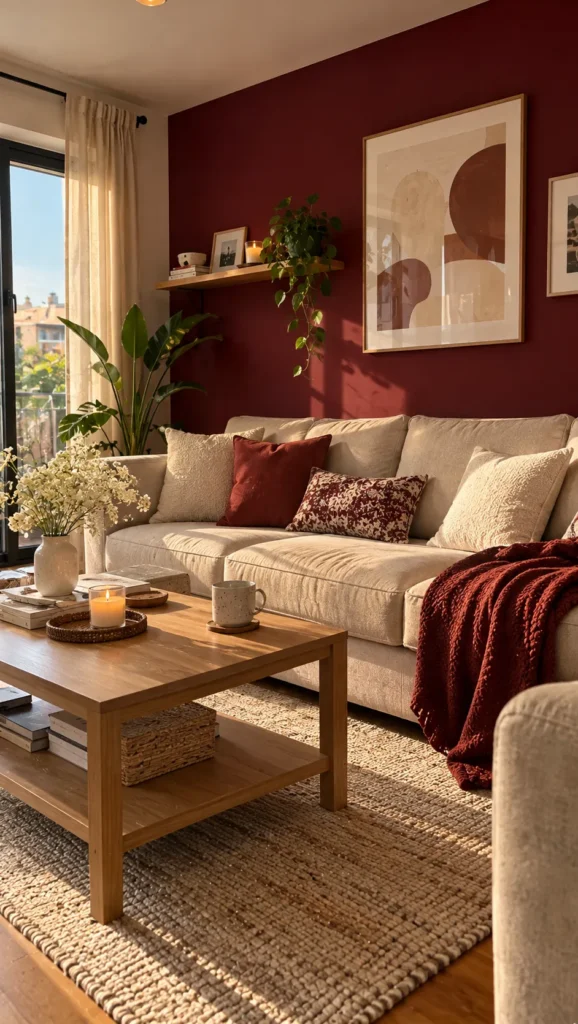
A burgundy accent wall adds architectural depth and creates a dramatic backdrop for a sofa, artwork, or shelving. The color feels particularly elegant beside warm white walls, natural wood furniture, and soft lighting, making it suitable for both contemporary and traditional living rooms.
What You’ll Need
- Burgundy interior wall paint
- Painter’s tape and rollers
- Drop cloth
- Neutral sofa or artwork
- Warm white lighting
Quick How-To
Choose the wall that naturally draws attention when entering the room, usually the one behind the main sofa or opposite the entrance. Test two or three burgundy paint samples because the color can appear dramatically different under daylight and artificial lighting. Clean and prepare the wall before painting, then apply the appropriate primer if required by the existing surface and paint system. Use two coats if the product instructions recommend them. Balance the finished wall with cream curtains, pale upholstery, or a light-colored rug.
Styling Tip
For a small living room, consider a muted burgundy rather than an extremely dark wine shade. Keep the ceiling and adjacent walls light to preserve a sense of openness.
3. Burgundy and Beige Layered Living Room
Description
Combining burgundy with beige creates a welcoming living room that feels colorful without becoming visually heavy. Beige softens burgundy’s intensity, while layered fabrics and natural materials make the space feel comfortable and lived-in. This palette is especially effective in rooms with warm wood floors.

What You’ll Need
- Beige sofa or armchairs
- Burgundy cushions
- Burgundy or patterned throw
- Cream area rug
- Wooden coffee table
- Ceramic decorative accessories
Quick How-To
Start with a beige sofa and a neutral rug, then introduce burgundy through cushions, a throw, and one decorative object. Choose fabrics with different finishes, such as washed linen, woven cotton, and velvet, to create depth without adding more colors. Repeat burgundy in at least two places, such as the cushions and a small piece of artwork, so it feels intentional. If the room begins to look too brown or dark, add a brighter ivory element near the seating area.
Styling Tip
Use beige as the dominant color and burgundy as the accent. This approach is easier to update seasonally and works particularly well if you enjoy changing your decor without replacing furniture.
4. Burgundy Curtains for a Dramatic Finish
Description
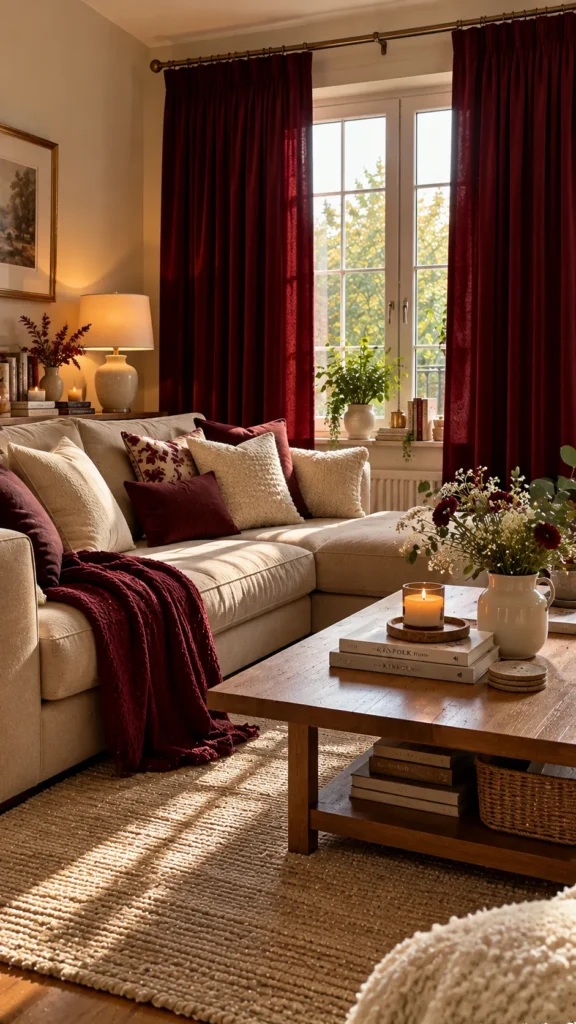
Burgundy curtains bring color, softness, and visual height to a living room. They look especially beautiful against cream, warm white, or pale greige walls. When the fabric has a natural drape, the curtains create an elegant frame around windows while helping the room feel more finished.
What You’ll Need
- Burgundy curtain panels
- Curtain rod and brackets
- Measuring tape
- Neutral wall paint
- Light-colored cushions or rug
Quick How-To
Measure the window width and desired curtain length before buying fabric. Mount the curtain rod higher than the window frame and extend it beyond both sides when possible, allowing the curtains to stack away from the glass. Choose a fabric with enough fullness for soft folds rather than a flat, stretched appearance. If your room receives limited daylight, consider lined curtains that still have a suitable weight and color, or use burgundy only on one window while keeping other window treatments light.
Styling Tip
Avoid matching burgundy curtains with burgundy walls and a burgundy sofa unless you’re deliberately creating a layered monochromatic interior. One or two large burgundy elements usually provide sufficient impact.
5. Burgundy and Gold Decorative Accents
Description
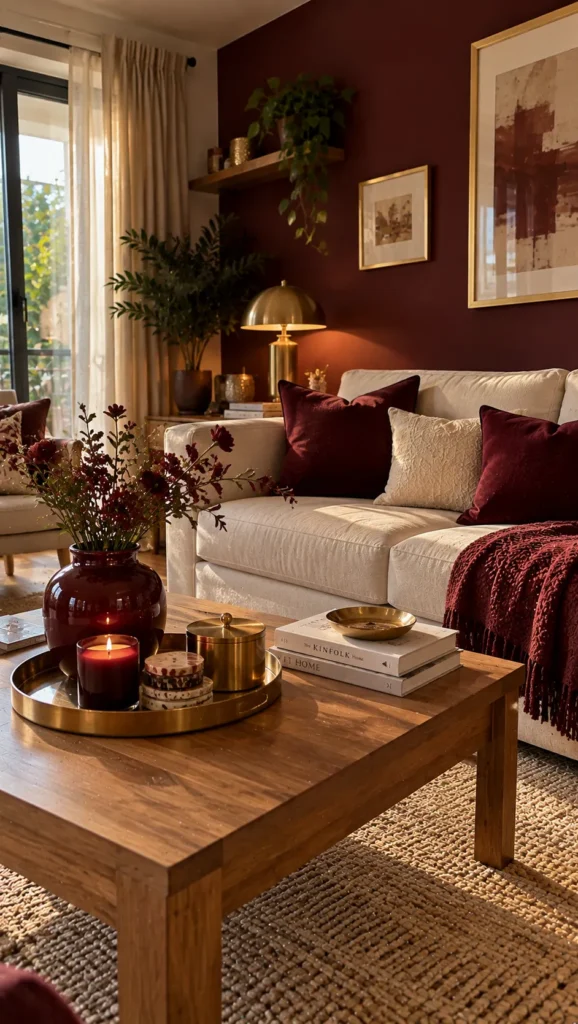
Burgundy and gold create a rich, polished color combination that feels timeless when used thoughtfully. Gold introduces warmth and a subtle reflective quality, while burgundy provides depth. Small brass details can elevate a simple living room without making it look excessively formal or overly decorated.
What You’ll Need
- Burgundy cushions or artwork
- Brass or gold-toned table lamp
- Decorative tray
- Small gold picture frames
- Neutral furniture and textiles
Quick How-To
Introduce gold through two or three practical accessories, such as a table lamp, a picture frame, or the legs of a side table. Pair these details with a burgundy cushion, ceramic vase, or artwork. Choose brushed brass or aged gold if you prefer a softer, more understated look. Repeat the finish in different parts of the room, but avoid buying every accessory in exactly the same metallic tone. Mixing finishes slightly can make the arrangement feel more natural.
Styling Tip
Warm metallic accents work best when surrounded by tactile materials such as wood, linen, wool, and matte ceramics. Too many shiny surfaces can make the room feel busy.
6. Burgundy Throw Pillows on a Neutral Sofa
Description
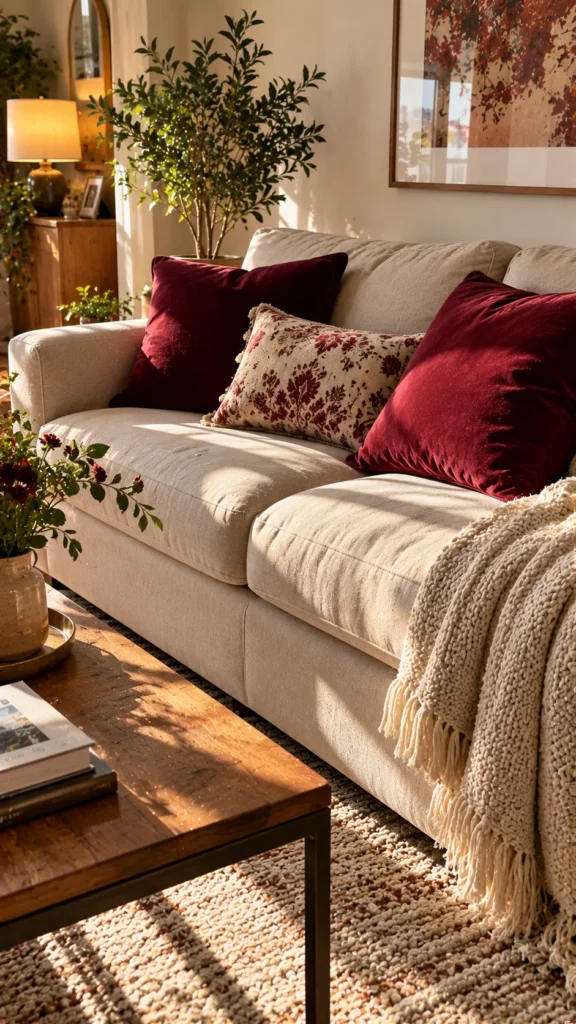
Burgundy throw pillows are an affordable way to experiment with this rich color without committing to a major furniture purchase. They look attractive on cream, beige, gray, or taupe sofas and can make an existing living room feel refreshed with very little effort.
What You’ll Need
- Two to four burgundy cushion covers
- Cream or beige cushion covers
- One textured or patterned cushion
- Neutral sofa
- Optional coordinating throw blanket
Quick How-To
Choose cushion covers in different sizes and textures rather than buying a complete matching set. Combine solid burgundy velvet with cream linen and one subtle patterned cushion. Arrange larger cushions at the back and smaller ones toward the front, leaving enough seating space for comfort. If your sofa is dark gray, introduce a lighter cushion between the burgundy pieces to separate the colors visually. Check care labels before mixing fabrics that require different cleaning methods.
Styling Tip
Repeat burgundy once elsewhere in the room, perhaps in a book cover, small vase, or artwork. This simple repetition helps the pillows feel connected to the overall design.
7. Burgundy Artwork Above the Fireplace
Description
Artwork featuring burgundy, rust, cream, and muted brown can bring a cohesive color story to a living room. Hung above a fireplace or sofa, a carefully chosen print creates a focal point while allowing the rest of the room to remain simple and flexible.

What You’ll Need
- Burgundy-toned artwork or abstract print
- Frame in wood, black, or brass
- Measuring tape
- Wall hooks suitable for the artwork’s weight
- Optional coordinating decor
Quick How-To
Choose artwork that includes burgundy alongside at least one color already present in your room. Measure the furniture below it before selecting the frame size; artwork that is too small can look disconnected from a wide sofa or mantel. Hang the piece at a comfortable viewing height and secure it using suitable fixings. If you’re creating a gallery wall, combine one burgundy-led print with smaller neutral or botanical pieces rather than filling every frame with strong red tones.
Styling Tip
A natural wood frame creates a relaxed, warm effect, while a thin black frame feels more contemporary. Let the artwork provide the color instead of surrounding it with too many competing accessories.
8. Burgundy Rug as a Statement Piece
Description
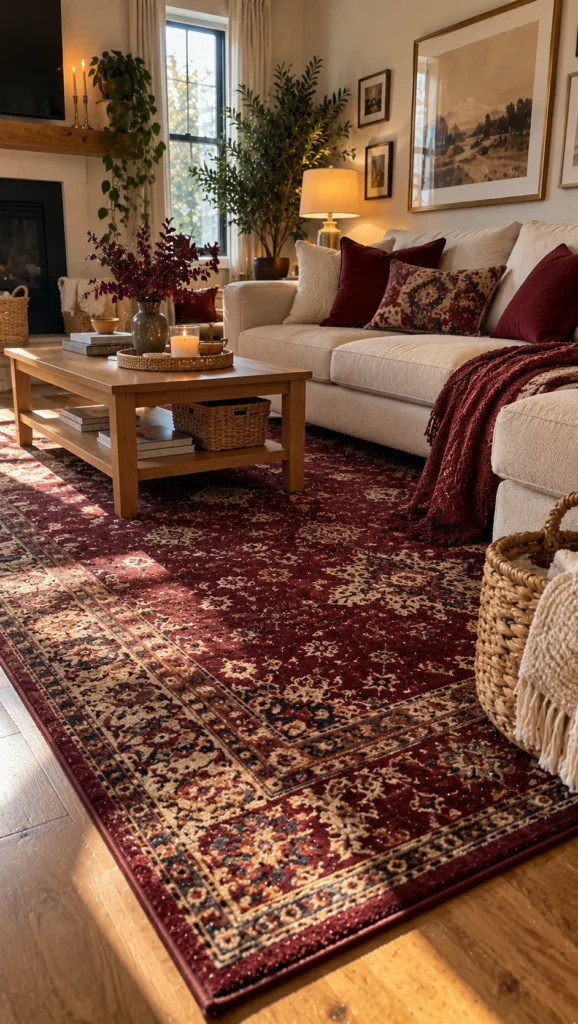
A burgundy rug can anchor a seating arrangement and introduce pattern, warmth, and personality. Traditional motifs feel especially inviting, while modern geometric designs create a fresher look. Pairing the rug with restrained upholstery allows its color to stand out without dominating the entire living room.
What You’ll Need
- Burgundy area rug
- Neutral sofa
- Rug pad
- Cushions that pick up one secondary rug color
- Coffee table
Quick How-To
Measure the seating area before choosing the rug. Ideally, the front legs of the sofa and armchairs should rest on it, helping the furniture look connected. Select a design that includes a few complementary shades, such as beige, rust, or muted blue, and repeat one of those colors in a cushion or decorative object. Use a nonslip rug pad to improve stability and protect the floor. In a busy household, check the rug’s cleaning requirements and durability before purchasing.
Styling Tip
If the rug has a detailed pattern, keep cushions and curtains relatively simple. A bold rug paired with several competing patterns can make the room feel cluttered.
9. Burgundy and Natural Wood Furniture
Description
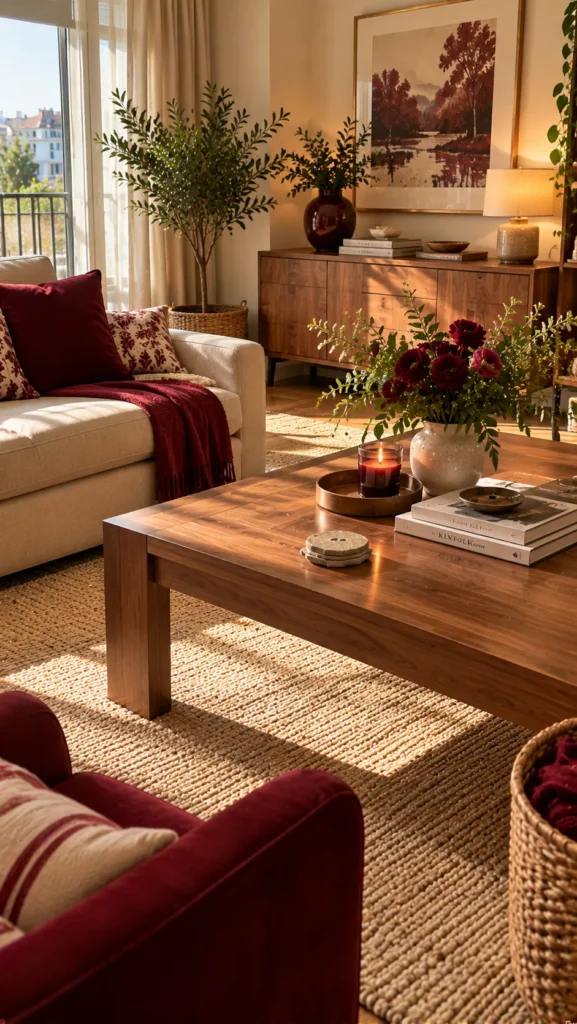
Natural wood balances burgundy’s richness with organic warmth. A walnut coffee table, oak shelving, or wooden sideboard can make burgundy accessories feel grounded rather than overly glamorous. This pairing suits modern rustic, mid-century-inspired, and relaxed contemporary living rooms.
What You’ll Need
- Wooden coffee table or sideboard
- Burgundy cushions or vase
- Neutral sofa
- Natural woven basket
- Ceramic or glass accessories
Quick How-To
Begin with one substantial wooden piece, such as a coffee table or sideboard, and introduce burgundy through a smaller accent. Choose wood tones that complement your existing floor rather than trying to match every wooden surface exactly. A warm walnut finish looks rich beside burgundy, while lighter oak creates a fresher contrast. Add a woven basket or linen throw to introduce another natural texture without introducing unnecessary colors.
Styling Tip
Avoid combining too many red-toned woods with burgundy, as the shades may compete. Test the materials together in daylight before committing to a large furniture purchase.
10. Burgundy and Soft Pink Color Palette
Description
Burgundy and soft pink create a balanced combination of boldness and softness. The deeper red adds definition, while blush pink lightens the palette and makes the living room feel welcoming. This pairing works particularly well with cream upholstery, pale wood, and understated metallic accents.

What You’ll Need
- Burgundy cushions or throw
- Blush pink cushion covers
- Cream sofa or armchair
- Light neutral rug
- Optional brass or wood accessories
Quick How-To
Use cream or beige as the foundation, then layer blush pink and burgundy in smaller quantities. Place a pink cushion between burgundy cushions to soften the contrast. If you want a more sophisticated finish, choose dusty rose rather than an extremely bright pink. Add a wooden coffee table or neutral ceramic vase to ground the palette. Keep large furniture pieces simple so the color combination remains the main decorative feature.
Styling Tip
Use more pink than burgundy if you want a light, airy room. For a moodier, more dramatic interior, reverse the proportions and introduce blush pink as a small highlight.
11. Burgundy Bookshelves and Decorative Styling
Description
Burgundy-painted shelving or carefully arranged burgundy accessories can turn an ordinary living room corner into a distinctive feature. The deep color looks especially attractive alongside books, framed photographs, ceramic vases, and natural wood details, creating a personal space that feels collected over time.

What You’ll Need
- Bookshelf or small shelving unit
- Burgundy paint if updating existing shelves
- Books and framed photographs
- Ceramic vases
- Storage baskets and decorative objects
Quick How-To
If painting existing shelves, prepare the surface and use a primer and suitable paint according to the manufacturer’s instructions. Test the shade in the room before painting the entire unit. For a less permanent approach, keep the shelving neutral and style it with burgundy book covers, a vase, or a small framed print. Arrange objects in varied heights, leaving some open space between groups. Mix practical storage with decorative pieces so the shelves remain useful instead of becoming a crowded display.
Styling Tip
Repeat one light color, such as cream or pale wood, throughout the shelving arrangement. It will prevent the burgundy from feeling too heavy and make individual objects easier to see.
12. Burgundy Lighting for a Cozy Atmosphere
Description
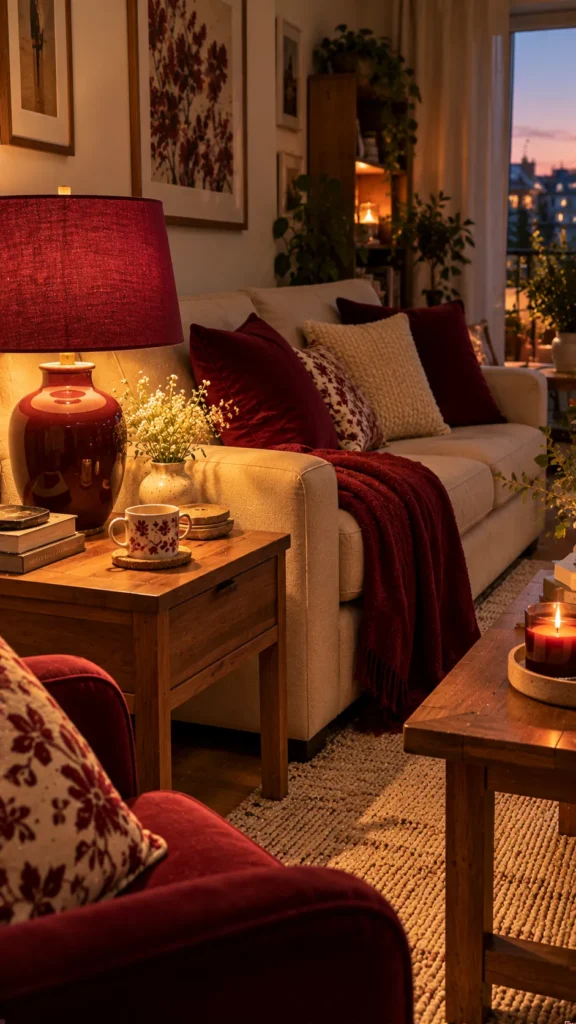
Burgundy lampshades, lamp bases, or subtle colored accents can bring a cozy atmosphere to a living room, particularly during evenings. Combined with warm white bulbs, soft upholstery, and natural textures, burgundy lighting accessories add personality without requiring a major room makeover.
What You’ll Need
- Burgundy table lamp or lampshade
- Warm white LED bulb
- Side table
- Neutral throw or cushions
- Optional brass or wooden lamp base
Quick How-To
Place a burgundy table lamp beside the sofa or on a sideboard where it provides useful ambient light. Choose a warm white bulb and check the lamp’s recommended wattage and bulb compatibility. If the room already has burgundy curtains or cushions, use a smaller accent lamp rather than introducing another large block of color. For a balanced lighting plan, combine the lamp with overhead lighting and another light source where needed for reading or other activities.
Styling Tip
Remember that the lampshade’s color and material influence how the light appears. A burgundy shade may create a different atmosphere from a neutral shade paired with a burgundy ceramic base, so consider the actual light output as well as appearance.
FAQ SECTION
Is burgundy a good color for a small living room?
Yes. Burgundy can work beautifully in a small living room when used thoughtfully. Introduce it through cushions, artwork, curtains, or a single accent wall, and balance it with light neutrals, mirrors, and layered lighting.
What colors go best with burgundy in a living room?
Cream, beige, warm white, natural wood, blush pink, muted olive green, and brass are all attractive options. The best combination depends on whether you want a light, relaxed interior or a deeper, more dramatic atmosphere.
How can I decorate with burgundy without making my living room too dark?
Keep the walls and larger furniture pieces light, use burgundy selectively, and incorporate several sources of warm lighting. Textures such as linen, wool, and natural wood also help create depth without relying on additional dark colors.
Does burgundy work with gray furniture?
Yes. Burgundy can look especially elegant with warm gray or greige upholstery. Add cream cushions or a pale rug to soften the contrast, and avoid introducing too many cool gray shades if you want a cozy atmosphere.
Is burgundy suitable for modern living room decor?
Absolutely. Clean-lined furniture, simple artwork, brushed metal accents, and restrained color combinations make burgundy feel contemporary. Velvet, traditional rugs, and antique-inspired accessories can instead give it a classic or vintage character.
How can I add burgundy on a budget?
Start with cushion covers, a throw blanket, a secondhand decorative vase, or a small framed print. These inexpensive additions allow you to test the color in your room before investing in curtains, rugs, or larger furniture pieces.
RELATED CONTENT
CLOSING
Burgundy is a versatile color that can make a living room feel warmer, more elegant, and full of personality. You don’t need to redesign your entire space to enjoy it. Start with a few cushions, a piece of artwork, or a beautiful throw, then build the palette gradually as you discover what works in your home. My favorite approach is to balance rich colors with natural textures and lighter accents so the room feels inviting rather than overly formal. Try one of these ideas, make it your own, and share your results with someone who loves home decorating as much as you do.





One Comment