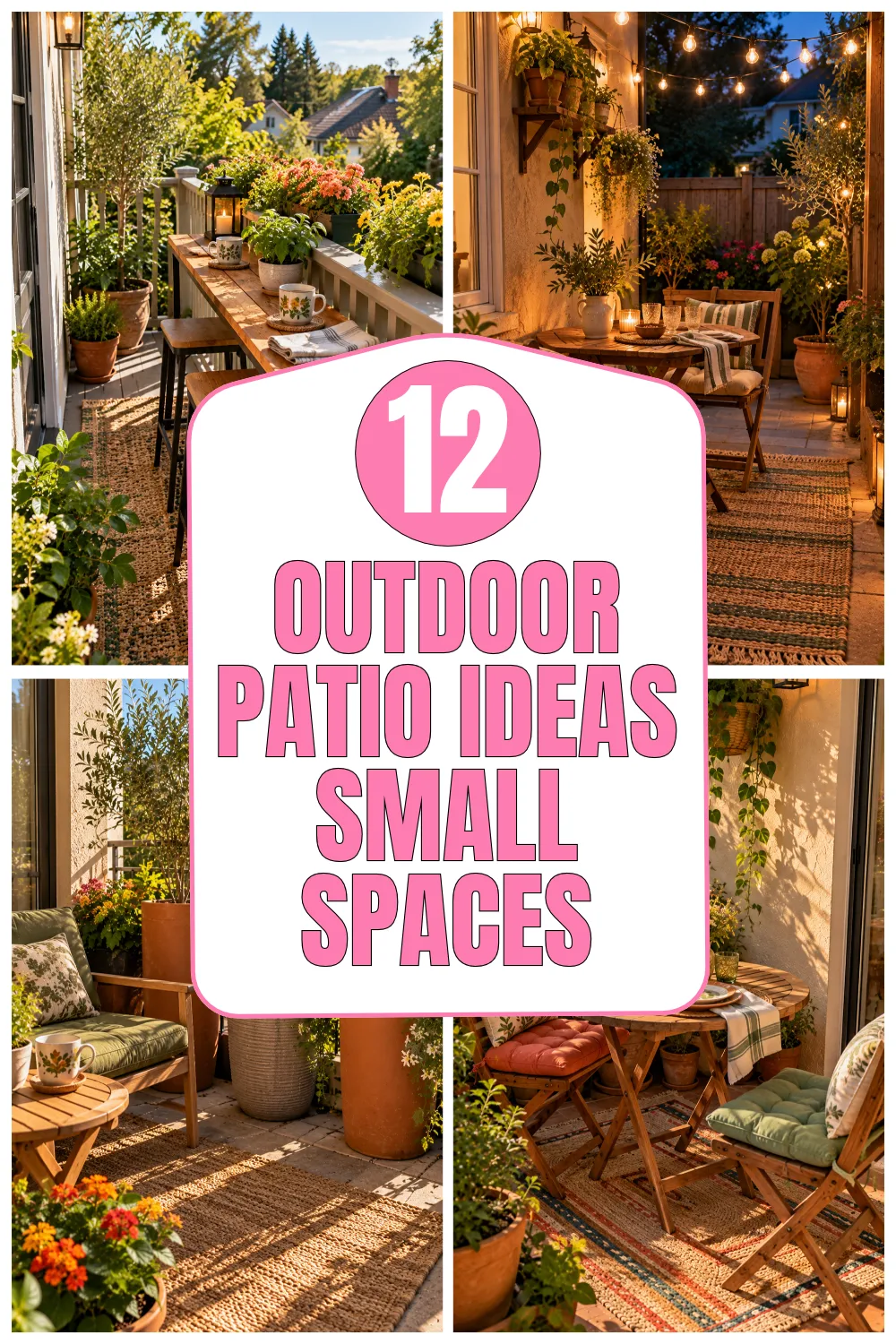
12 Covered Patio Ideas Attached to House for a Cozy Outdoor Living Space

Covered Patio Ideas Attached to House
A covered patio attached to your house can become one of the most useful and inviting spaces in your home. It gives you a comfortable place to enjoy fresh air, have breakfast outside, entertain friends, or relax in the garden without worrying too much about direct sunlight or light rain. The best part is that a covered patio does not have to look like a basic roof extension. With thoughtful materials, creative layouts, and a few personal touches, it can feel like a natural extension of your indoor living space.
When planning your patio, think about how you actually want to use it. A dining area needs enough room for chairs to move comfortably, while a lounge patio benefits from weather-resistant seating and good lighting.

Pay attention to roof drainage, ventilation, shade, and the transition between your house and the outdoor area. These practical details make a bigger difference than expensive decorations.
Here are 12 covered patio ideas attached to house that combine attractive design with realistic features you can adapt to different home sizes and budgets.
1. Create a Modern Glass-Roof Patio Extension
Description
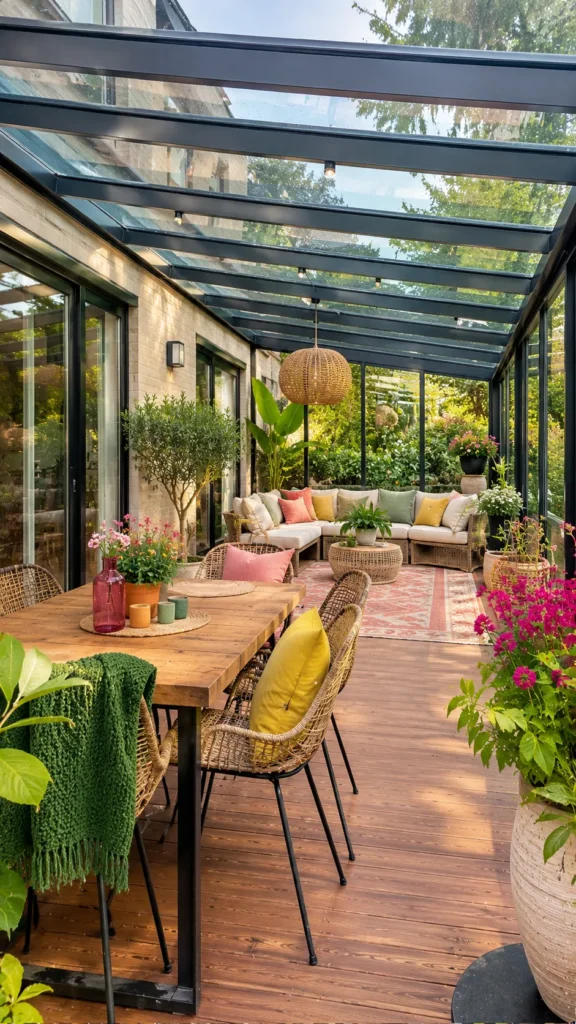
A glass-roof patio attached directly to the house creates a bright outdoor living space while offering protection from rain. It works particularly well beside kitchens or living rooms because natural light can still reach the adjoining interior. Choosing suitable roof glazing and adding adjustable shade helps prevent excessive heat.
What You’ll Need
- Properly rated laminated or tempered roof glazing
- Structural aluminum or steel support system
- Weatherproof flashing and sealing materials
- Gutter and downpipe system
- Outdoor furniture
- Optional exterior blinds or shade panels
Quick How-To
- Measure the patio area and check the height and attachment point against the house.
- Plan a roof slope that directs rainwater away from the building.
- Have the support structure designed for local wind, rain, and roof loads.
- Install suitable flashing where the new roof meets the house wall.
- Fit the glazing system according to the manufacturer’s specifications.
- Add gutters and downpipes to manage runoff.
- Arrange seating underneath, leaving clear access to doors and walkways.
Styling Tip
Use a natural wood dining table, soft neutral cushions, and leafy potted plants. If the patio receives strong afternoon sun, add exterior-rated blinds or a suitable shading system instead of relying only on decorative curtains.
2. Build a Cozy Wooden Pergola with a Solid Roof
Description
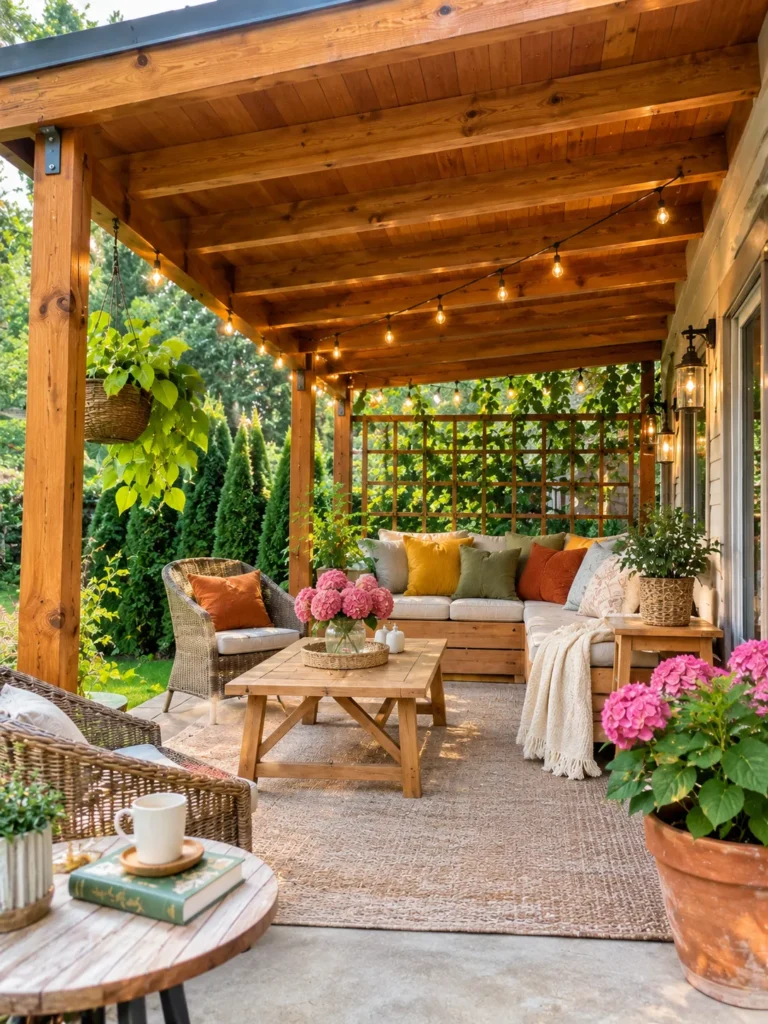
A wooden pergola with a solid weatherproof roof gives an attached patio a warm, natural appearance while providing dependable shade and rain protection. It is a lovely option for homes with gardens or timber exterior details. The key is using properly treated structural wood and designing the roof for drainage rather than treating it as a purely decorative pergola.
What You’ll Need
- Exterior-rated structural timber
- Roof covering suitable for outdoor use
- Weather-resistant screws and connectors
- Concrete footings or approved post bases
- Gutter and drainage components
- Exterior wood stain or protective finish
Quick How-To
- Choose the patio dimensions and mark the post locations.
- Check that the house wall can safely support the planned connection.
- Install suitable footings and post bases.
- Secure the structural posts and beams with approved connectors.
- Fit rafters and the selected solid roof covering.
- Add flashing, waterproofing, and gutters.
- Apply an exterior wood finish according to the product instructions.
Styling Tip
Choose a warm natural stain rather than a very dark finish if you want the patio to feel open. Add woven outdoor chairs, a large rug made for exterior use, and climbing plants trained on separate trellises where they will not interfere with the roof.
3. Design a Mediterranean Covered Patio with Terracotta Details
Description
A Mediterranean-inspired patio combines warm colors, natural materials, and relaxed outdoor furniture. Attached to the house, it can feel like a small courtyard retreat with terracotta flooring, textured walls, and a shaded roof. The design works especially well when the outdoor finishes complement the home’s existing architecture.

What You’ll Need
- Weather-resistant terracotta-look tiles or outdoor pavers
- A suitable covered roof or existing veranda
- Exterior wall finish or limewash-compatible coating
- Large terracotta planters
- Outdoor dining furniture
- Drought-tolerant plants suited to your climate
Quick How-To
- Start with a covered patio that has proper drainage and a non-slip floor.
- Choose terracotta-colored outdoor tiles or pavers rated for exterior use.
- Use warm neutral wall colors that complement the flooring.
- Arrange a small dining table or comfortable seating close to the house.
- Add large planters with suitable herbs, ornamental grasses, or flowering plants.
- Use weather-resistant lighting and accessories to finish the space.
Styling Tip
Combine terracotta, cream, olive green, and natural wood. Avoid using too many matching decorative pieces; a few handmade-looking pots and textured cushions create a more relaxed, authentic Mediterranean atmosphere.
4. Add a Covered Outdoor Dining Room with a Built-In Bench
Description
A covered dining patio attached to the house makes everyday meals and outdoor entertaining much easier. A built-in bench along one side saves space, provides extra seating, and creates a neat layout around the dining table. It is especially practical for narrow patios where individual chairs would make movement difficult.

What You’ll Need
- Weather-resistant dining table
- Exterior-rated bench materials
- Outdoor cushions with removable covers
- Covered roof with proper drainage
- Suitable floor finish
- Outdoor pendant or wall lighting
Quick How-To
- Measure the dining area and allow enough room to pull chairs away from the table.
- Position the bench against a wall or along the outer edge without blocking access.
- Build or install a bench using materials suitable for outdoor exposure.
- Add removable cushions made with outdoor fabric.
- Place a table that fits the available space without restricting circulation.
- Install suitable lighting above the dining area.
- Keep the route between the patio and kitchen clear for carrying food.
Styling Tip
Use a long wooden table, simple woven chairs, and a colorful outdoor table runner. Add a few potted herbs near the dining area so they are easy to reach when preparing meals.
5. Create a Small Covered Patio with a Retractable Awning
Description
A retractable awning is a flexible way to cover a patio attached to the house without building a permanent full roof. It provides shade when needed and can be opened to let in more sunlight. This solution is particularly useful for compact patios, balconies with ground-level access, and homes where a lightweight covering is preferred.

What You’ll Need
- Exterior-rated retractable awning
- Correctly sized wall brackets and fixings
- Suitable wall structure for mounting
- Outdoor seating or compact dining furniture
- Optional wind sensor or motorized control
- Weather-resistant cushions
Quick How-To
- Measure the wall and patio depth to choose an appropriate awning size.
- Check the wall construction and confirm that it can support the mounting system.
- Select a fabric designed for UV exposure and outdoor conditions.
- Have the brackets and awning installed according to the manufacturer’s requirements.
- Test the opening and closing mechanism before arranging furniture.
- Position seating where it receives shade without blocking the doors.
- Retract the awning in strong winds and follow the manufacturer’s weather guidance.
Styling Tip
Choose a striped or warm neutral awning fabric to give the patio a relaxed café atmosphere. Pair it with a small bistro table, folding chairs, and two colorful planters to keep the space welcoming without overcrowding it.
6. Turn the Patio into a Private Garden Lounge with a Slatted Roof
Description
A slatted roof creates a beautiful balance between shade, airflow, and filtered daylight. When attached to the house, it can define a comfortable garden lounge without making the outdoor area feel completely enclosed. Adjustable louvers offer more control over sunlight and rain, while fixed slats are better suited to partial shade rather than full weather protection.

What You’ll Need
- Exterior-rated timber or aluminum slatted roof system
- Structural posts and beams
- Suitable connectors and fixings
- Weather-resistant lounge furniture
- Outdoor rug
- Large leafy planters
Quick How-To
- Decide whether you need adjustable louvers or fixed slats.
- Check the roof system’s rain protection and drainage specifications.
- Plan the structure and its attachment to the house.
- Install supports and beams according to the engineered design.
- Fit the slats with consistent spacing and secure connections.
- Arrange a sofa or lounge chairs underneath.
- Add planters around the edges to create a little privacy.
Styling Tip
Use a low outdoor sofa with textured neutral cushions and a few colorful accent pillows. Place taller plants near the open sides, but keep enough space for airflow and easy movement.
7. Design a Covered Patio with an Outdoor Kitchenette
Description
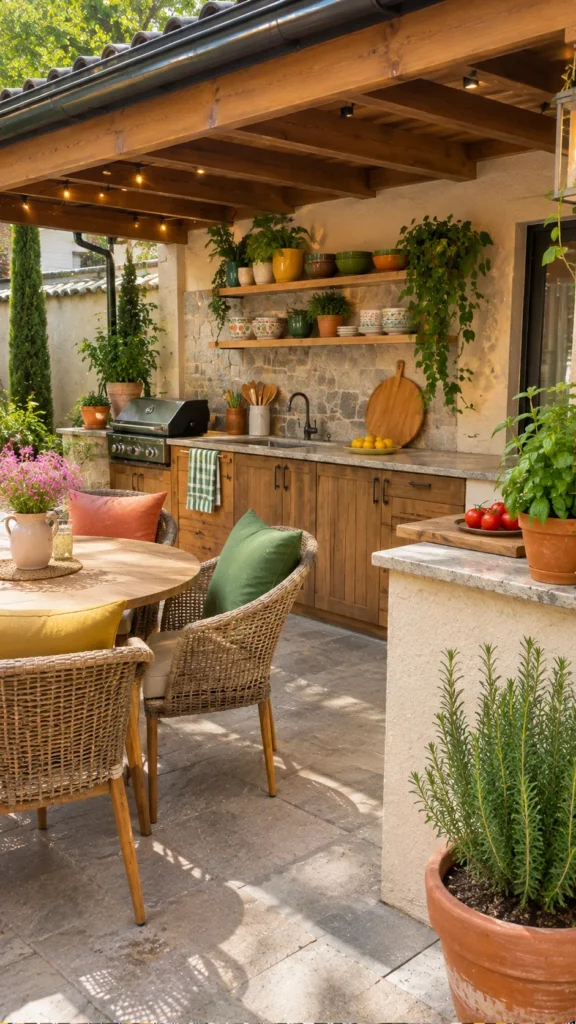
An attached covered patio can become a practical outdoor cooking and serving area with a compact kitchenette. It is ideal for homeowners who enjoy hosting but do not want to carry everything between the indoor kitchen and garden. Good ventilation, suitable worktop materials, and careful placement of cooking equipment are essential.
What You’ll Need
- Weather-resistant base cabinets
- Exterior-rated countertop
- Outdoor sink and approved plumbing connections, if required
- Suitable electrical outlets installed by a qualified professional
- Appropriate outdoor cooking appliance
- Non-combustible surfaces around heat-producing equipment
Quick How-To
- Choose a location close to the indoor kitchen for convenient access.
- Check the covered area’s ventilation and the appliance manufacturer’s clearance requirements.
- Plan storage, preparation space, and serving areas before purchasing cabinets.
- Use materials rated for outdoor exposure and easy cleaning.
- Arrange plumbing and electrical work with qualified professionals.
- Install cooking equipment according to its approved location and safety clearances.
- Keep the dining area separate enough to allow comfortable movement.
Styling Tip
Use a simple natural-stone-look countertop, wooden serving boards, and herb pots. Keep frequently used items in closed storage to protect them from dust and moisture.
8. Add a Covered Patio with Sliding Glass Panels
Description
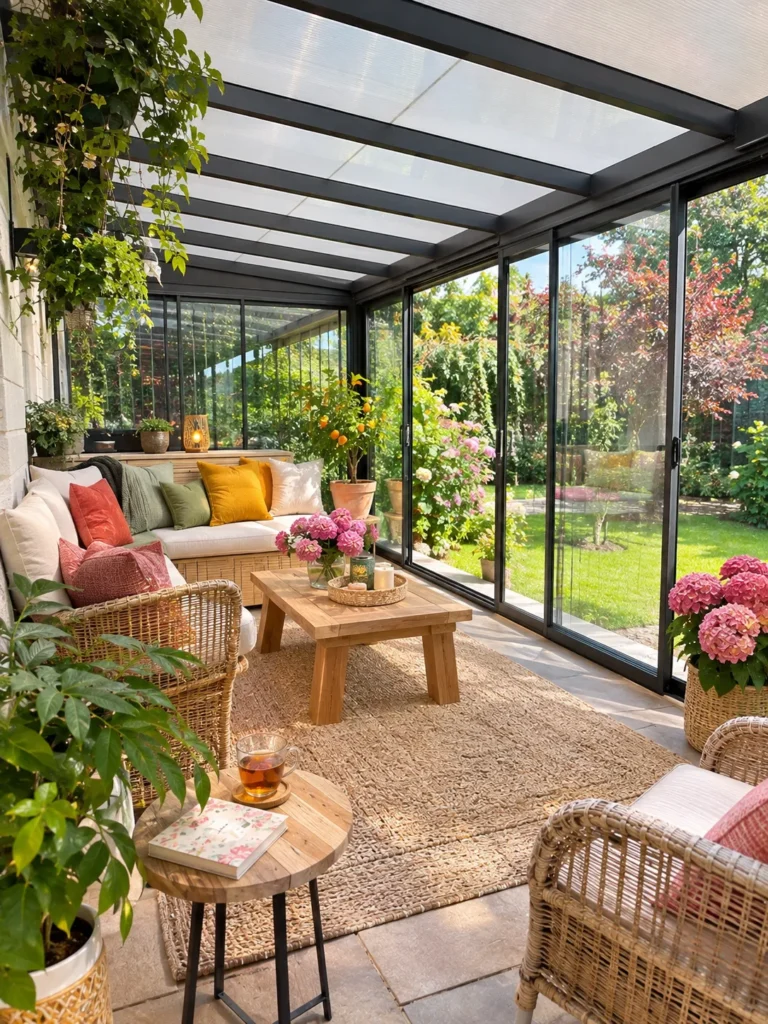
Sliding glass panels can make an attached covered patio feel like an extra room while still allowing you to enjoy garden views. They are especially useful in areas with changing weather or where wind makes an open patio uncomfortable. Good ventilation and suitable drainage are important to prevent the enclosed space from becoming hot or damp.
What You’ll Need
- Exterior-rated sliding glass panel system
- Suitable structural frame
- Safety glazing specified for the installation
- Weather seals and drainage tracks
- Ventilation openings or suitable doors
- Outdoor furniture
Quick How-To
- Measure the open sides of the existing covered patio.
- Choose a panel system designed for exterior use and local weather conditions.
- Check the support structure before adding the weight of glass panels.
- Have the frame and glazing installed by a qualified professional.
- Confirm that the tracks allow water to drain correctly.
- Test sliding panels and locking mechanisms.
- Arrange furniture so the doors can open fully without obstruction.
Styling Tip
Keep the furniture light and comfortable, with neutral upholstery and a few colorful cushions. Add plants near the corners to soften the glass and create a natural connection with the garden.
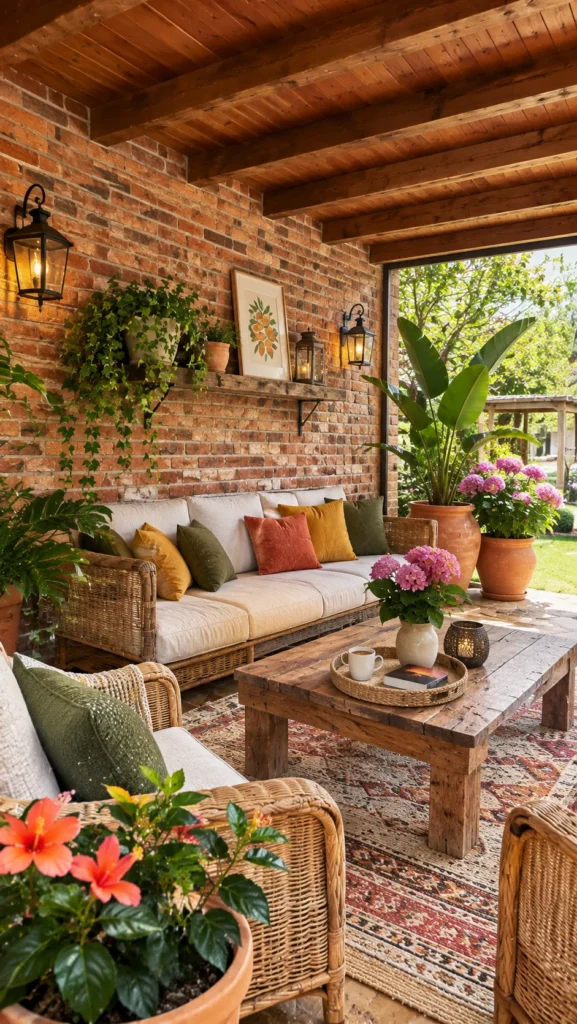
9. Create a Rustic Covered Patio with a Brick Feature Wall
Description
A brick feature wall can give an attached covered patio a warm, textured focal point. It works beautifully behind a seating area or outdoor dining table and can make a simple roof extension feel more established. Choose exterior-rated brick or suitable masonry finishes, and pay attention to water management where the wall meets the patio floor.
What You’ll Need
- Exterior-rated brick or masonry veneer
- Suitable mortar and installation materials
- Proper wall substrate and weather protection
- Outdoor sofa or dining furniture
- Weather-resistant wall lights
- Large planters
Quick How-To
- Select a wall that can safely support the chosen masonry finish.
- Check that the wall is protected against moisture and that the base has suitable drainage.
- Prepare the surface according to the masonry system instructions.
- Install the brick or veneer with consistent joints.
- Allow the materials to cure as recommended.
- Add suitable outdoor lighting and arrange furniture in front of the wall.
- Keep plants and furniture positioned so they do not trap moisture against the masonry.
Styling Tip
Pair the brick with a natural wood table, black metal lighting, and soft beige cushions. Add green plants in different-sized pots to balance the strong texture of the wall.
10. Build a Covered Patio Reading Nook with a Hanging Chair
Description
A small covered patio can become a relaxing reading corner with one comfortable hanging chair, a compact side table, and a few plants. This idea is perfect for homeowners who do not need a full outdoor dining area but want a quiet place to enjoy a book or morning coffee. The hanging chair must be supported by a structure designed for its load.

What You’ll Need
- Outdoor hanging chair
- Manufacturer-approved hanging hardware or a suitable stand
- Weather-resistant cushions
- Small outdoor side table
- Outdoor rug
- Potted plants and suitable lighting
Quick How-To
- Choose a sheltered corner with enough room for the chair to swing safely.
- Check the roof beam or use a suitable freestanding stand designed for the chair.
- Have any overhead fixing assessed and installed correctly.
- Place an outdoor rug underneath to define the nook.
- Add a compact side table for books and drinks.
- Use cushions made for outdoor conditions.
- Arrange plants around the edges without blocking the chair’s movement.
Styling Tip
Choose a woven hanging chair, soft cream cushions, and one colorful throw that can be stored indoors when not in use. A warm outdoor floor lamp or wall light makes the corner feel inviting in the evening.
11. Create a Covered Patio with a Built-In Planter Border
Description
Built-in planters along the edge of a covered patio add greenery without using valuable floor space. They also help define the outdoor room and can create a natural screen between the seating area and the garden. Good drainage and suitable waterproofing are essential, especially when planters sit close to the house.

What You’ll Need
- Exterior-rated planter materials
- Waterproofing suitable for planter construction
- Drainage layer and drainage outlets
- Suitable potting mix
- Plants suited to the available light
- Outdoor seating and optional trellis panels
Quick How-To
- Decide where the planter border will sit and make sure it will not block walkways.
- Choose materials that can withstand moisture and outdoor temperatures.
- Include drainage outlets so excess water cannot collect against the house.
- Protect adjoining walls and surfaces with suitable waterproofing.
- Fill the planter with a suitable drainage layer and planting mix as required.
- Choose plants based on the amount of sunlight and maintenance you can provide.
- Arrange seating so plants remain accessible for watering and pruning.
Styling Tip
Combine ornamental grasses, compact flowering plants, and trailing greenery for different textures. Choose a limited color palette for the flowers so the patio looks coordinated rather than overcrowded.
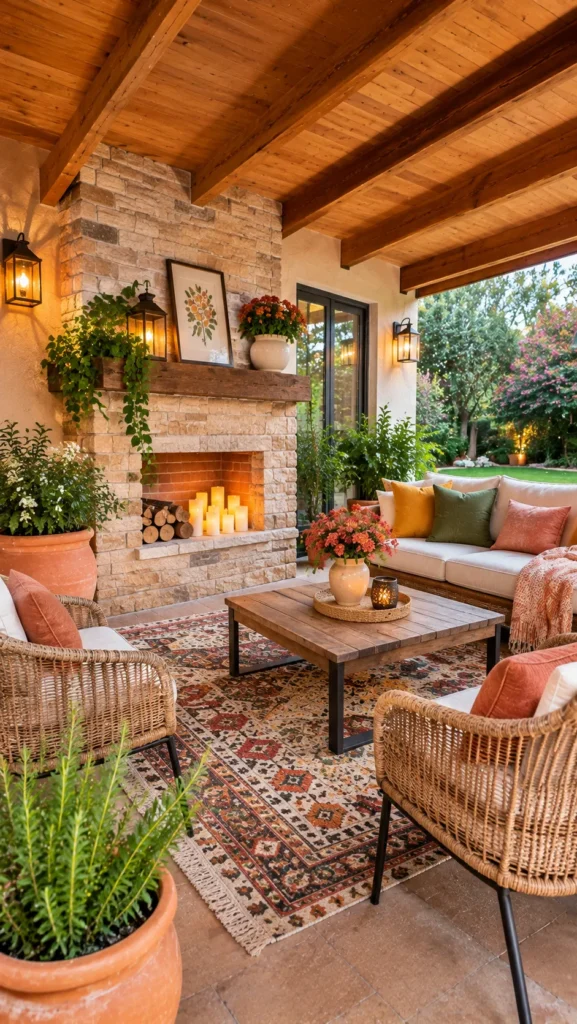
12. Design a Cozy Covered Patio with a Fireplace-Inspired Feature
Description
A covered patio with a fireplace-inspired focal point can create a welcoming place to gather during cooler evenings. The feature might be a decorative wall with built-in seating, a suitable outdoor fireplace, or a professionally installed gas fire feature. The right choice depends on local regulations, ventilation, roof height, and safe clearances.
What You’ll Need
- Outdoor-rated masonry or non-combustible feature materials
- Approved outdoor fireplace or fire feature, if using real heat
- Manufacturer-specified safety clearances
- Suitable flooring and weather-resistant furniture
- Outdoor lighting
- Optional decorative logs or LED candles for a non-heating feature
Quick How-To
- Decide whether the focal point will be decorative or a working outdoor fire feature.
- Check local building and fire regulations before selecting equipment.
- Confirm that the roof height, ventilation, and surrounding materials are suitable for the chosen appliance.
- Have a real fireplace or gas installation designed and installed by qualified professionals.
- Arrange seating at the required safe distance from any heat source.
- Add outdoor lighting and weather-resistant accessories.
- Keep combustible decorations, cushions, and plants outside all required clearance zones.
Styling Tip
Use natural stone-look finishes, comfortable neutral seating, and a few terracotta planters to create a warm atmosphere. If you prefer a decorative feature without real heat, arrange LED candles and decorative logs inside a suitable non-combustible surround.
FAQ SECTION
What is the best roof for a covered patio attached to a house?
The best roof depends on your climate, budget, and how you plan to use the patio. Solid insulated roofs provide dependable shade and rain protection, while glass roofs allow more daylight into the space. Retractable awnings offer flexibility, and slatted systems provide filtered shade but may not protect fully against rain.
How much does it cost to build a covered patio?
Costs vary significantly depending on patio size, materials, structural requirements, and local labor prices. A retractable awning is generally less expensive than a permanent roof extension, while glass roofing, sliding panels, and outdoor kitchens can increase the budget. Get several local quotes before starting.
Do I need planning permission to attach a patio roof to my house?
You may need planning permission, a building permit, or approval from your local authority, depending on the size, height, location, and type of structure. Check local regulations before construction, especially if the patio roof changes the exterior of your house or sits close to a boundary.
How do I stop rainwater from collecting on my covered patio?
Plan the roof with an appropriate slope, install correctly sized gutters and downpipes, and make sure the patio floor drains away from the house. Avoid directing roof runoff toward foundations, doors, or neighboring properties.
How can I make a small covered patio look bigger?
Use compact furniture, keep walkways clear, choose a light color palette, and avoid filling every corner with accessories. Built-in benches, wall-mounted lighting, and vertical planters can help preserve usable floor space.
What flooring is best for a covered patio?
Outdoor-rated porcelain tiles, textured concrete, suitable natural stone, and exterior pavers are popular choices. Prioritize slip resistance, durability, drainage, and compatibility with the local climate rather than choosing flooring based only on appearance.
How can I make my covered patio comfortable in hot weather?
Good airflow, exterior shade, ceiling fans rated for outdoor use, and heat-conscious furniture choices can make a big difference. Glass roofs may need external shading, while enclosed patios should have suitable ventilation to prevent heat buildup.
RELATED CONTENT
- Front Yard Christmas Decorations to Make Your Home Magical
- DIY Outdoor Kitchen Ideas for Your Backyard
CLOSING
A covered patio attached to your house can be so much more than an extra roof over an outdoor space. With the right layout, comfortable furniture, useful lighting, and a few personal details, it can become your favorite place to enjoy a quiet morning, share dinner with family, or spend time with friends.
You do not have to complete everything at once. Start with the feature that will make the biggest difference to your daily routine, whether that is a better roof, a cozy seating corner, or a practical outdoor dining area. Then build on it as your budget and plans allow.
I hope these 12 covered patio ideas attached to house have inspired you to see new possibilities for your outdoor space. I would love to hear which design you like best and how you plan to make it your own. Happy decorating!